






Transforming Mumbai: Rajesh Jain’s Plan to Build a Better Tomorrow
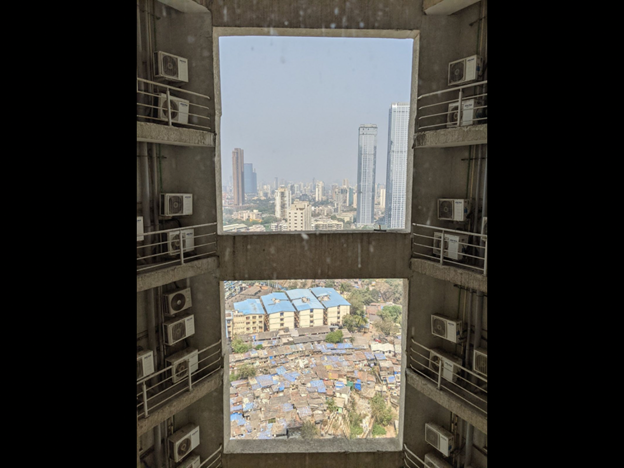
Mumbai: In a city where nearly half the population resides in slums, Mumbai stands as a paradox: a booming financial capital of India hosting 90% of the country’s largest corporate giants, yet still...

Mumbai: In a city where nearly half the population resides in slums, Mumbai stands as a paradox: a booming financial capital of India hosting 90% of the country’s largest corporate giants, yet still wrestling with stark socio-economic divides. Within this complex reality, urban visionary Rajesh Jain of Neumec is championing a compelling vision for change, one that aims to make Mumbai slum-free and unlock a brighter future for millions.
Slums in Mumbai are more than a living condition; they symbolize a host of systemic challenges. From inadequate access to resources to being a breeding ground for crime and exploitation, their impact reverberates across the city’s aspirations. “Slums in Mumbai are the root cause of all evils affecting our great city,” Jain states passionately. “They foster problems that keep us from achieving our potential as one of the world’s leading urban centers.” His mission? To elevate Mumbai toward a more inclusive and well-planned urban future.
Transforming Mumbai’s Slum Landscape: Practical Solutions for a Promising Future
One of the key strategies is building upon the momentum already initiated by the Dharavi Redevelopment Project. Often referred to as one of the boldest urban renewal projects in Indian history, it carries the potential to redefine how slum rehabilitation is approached. There is an opportunity to make the process more efficient.
“Why allocate land far away when the slum areas themselves could serve as redevelopment zones?” Jain proposes. This practical solution, he elaborates, could simultaneously revamp existing slums while creating new housing for the displaced populations. Streamlining resource allocation and eliminating delays caused by multi-agency involvement is another bridge to a faster and more effective impact. What is needed, is a collaborative push where entities like MHADA, MMRDA, and MAHAPREET work actively toward a united goal.
To encourage swift action, introducing a formal cut-off date for submitting Slum Rehabilitation Schemes (SRS), is essential. “Setting a deadline can motivate developers and non-cooperative residents to act more urgently, clearing bureaucratic bottlenecks in the process,” he says.
Building a Future-Ready Mumbai Through Technology
Digitization and technology, also have pivotal roles to play. By leveraging data such as Aadhaar-linked records and biometric details within the Slum Rehabilitation Authority (SRA), Mumbai could uproot the misuse of rehabilitation programs. “This effort ensures slumlords can’t abuse the system, helps law enforcement prevent crimes, and lays safeguards against the creation of new slum zones,” Jain remarks. The systematic use of modern tools could fast-track the transition from informal settlements to structured housing.
Reimagining Lives and Futures: Why Slum-Free Matters
The dream of a slum-free city is about more than aesthetics or infrastructure; it’s about dignity. Transforming slum areas will not only alleviate the suffering of millions living in inhumane conditions but also accelerate India’s growth story. “Every citizen deserves clean, safe housing. The longer we allow these issues to persist, the more we stall our own progress as a nation,” he asserts.
The financial capital, poised on the brink of transformation, has immense potential to rise above its challenges. For Mumbai’s business leaders and government entities, the vision offers a roadmap to align their efforts with social welfare priorities without compromising on ambition. By fostering cohesive action between public and private stakeholders, the vision of a slum-free Mumbai might not be a dream too far from reality.
The future of Mumbai is a blueprint that calls for collective resolve, a future where every Mumbaikar thrives in a city free from the shadows of inequality and empowered by opportunities.