







Why Winter Is Often Preferred for Hair Transplant Procedures, Explained by Dr. Navnit Haror
Hair transplantation has become one of the most trusted and effective solutions for hair loss and baldness in recent years.

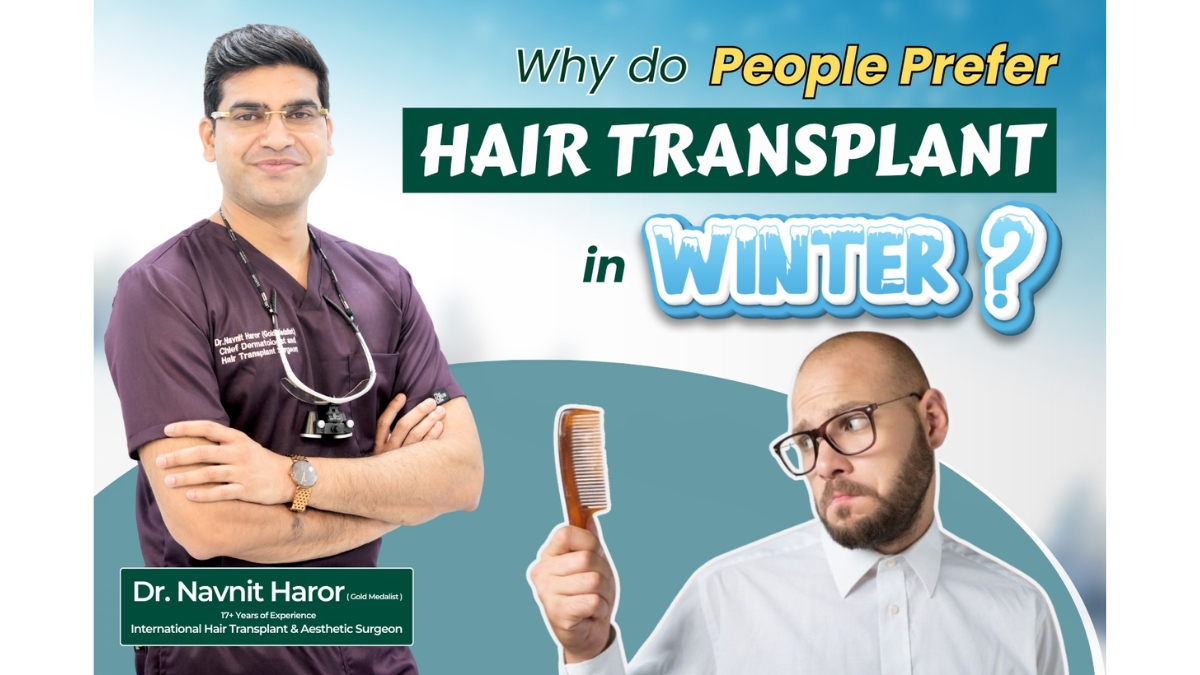
New Delhi [India], January 3: Hair transplantation has become one of the most trusted and effective solutions for hair loss and baldness in recent years. People across age groups and genders are opting for this procedure to achieve natural-looking and permanent hair restoration. However, one question that commonly concerns patients is whether there is a “best season” to undergo a hair transplant. While some believe winter is ideal and others feel summer is safer, the reality is that seasonal changes do not impact the success of a hair transplant. That said, winter is often preferred by patients for practical and comfort-related reasons. Dr. Navnit Haror, an internationally acclaimed hair transplant surgeon and founder of Dr. Haror’s Wellness, one of the leading hair transplant clinics in Delhi, India, shares insights into why winter is widely regarded as a favourable season for hair transplantation.
- Better Healing & Recovery
After a hair transplant, it takes 3-4 days for the grafts to settle properly. In winter, due to cold weather, there is no sweating, which significantly reduces the risk of the grafts becoming dislodged. Also, less sweating leads to faster healing and recovery, and there is also a lower risk of infection. Dr. Navnit Haror says that in a controlled environment, the survival rate of the grafts increases.
- Comfort During Recovery
After a hair transplant, patients need to avoid direct sunlight, dust, and pollution for a few days. The winter season is naturally mild, so patients can easily control their outdoor activities. Due to extreme heat and humidity in the summer season, patients feel scalp irritation. But that is not the case in winter – the pleasant winter weather significantly reduces post-procedure discomfort.
- Stronger Graft Retention
In winter, the scalp temperature remains stable, which is beneficial for newly implanted hair follicles. According to Dr. Navnit Haror, cooler weather maintains balanced blood circulation, which means the grafts receive proper nutrients. This strengthens the transplanted hair follicles and reduces the risk of early shedding.
- Discreet Recovery
Winter is the best season if you don’t want anyone to know about your hair transplant. Due to the cold weather during this season, most people stay indoors, and there is less going out, so people won’t notice. Also, to protect themselves from the cold wind, people use scarves, mufflers, and caps, which can help you hide your procedure.
- Better Aftercare
After a hair transplant, you need to avoid certain things like strong sunlight, water, dust, etc. In winter, you can easily manage all these things. The more you stay indoors, the better and quicker your recovery and hair transplant results will be.
Dr. Navnit Haror, the best hair transplant doctor in India, firmly believes that the winter season is the safest, most comfortable, and most result-oriented time for hair transplantation. If you want, choosing the right surgeon along with the right season is equally important.
If you are troubled by hair loss and are looking for a permanent solution, then a hair transplant procedure could be the best choice for you to get natural-looking, dense, and long-lasting hair transplant results. Why delay? Book your consultation today with Dr. Navnit Haror to regain your lost hair and confidence this winter.
Q. So, is it a good idea to get a hair transplant in winter?
Absolutely! Getting a hair transplant in winter can be a good decision. Recovery is faster during this season, the risk of infection is lower, and post-operative care is also easier.
Q. Does a hair transplant cost more in winter?
No! The season has no bearing on hair transplant cost. The cost depends on factors such as your hair loss condition, the number of grafts required, the technique used, the clinic, and the experience & expertise of the doctor, facilities, etc.