




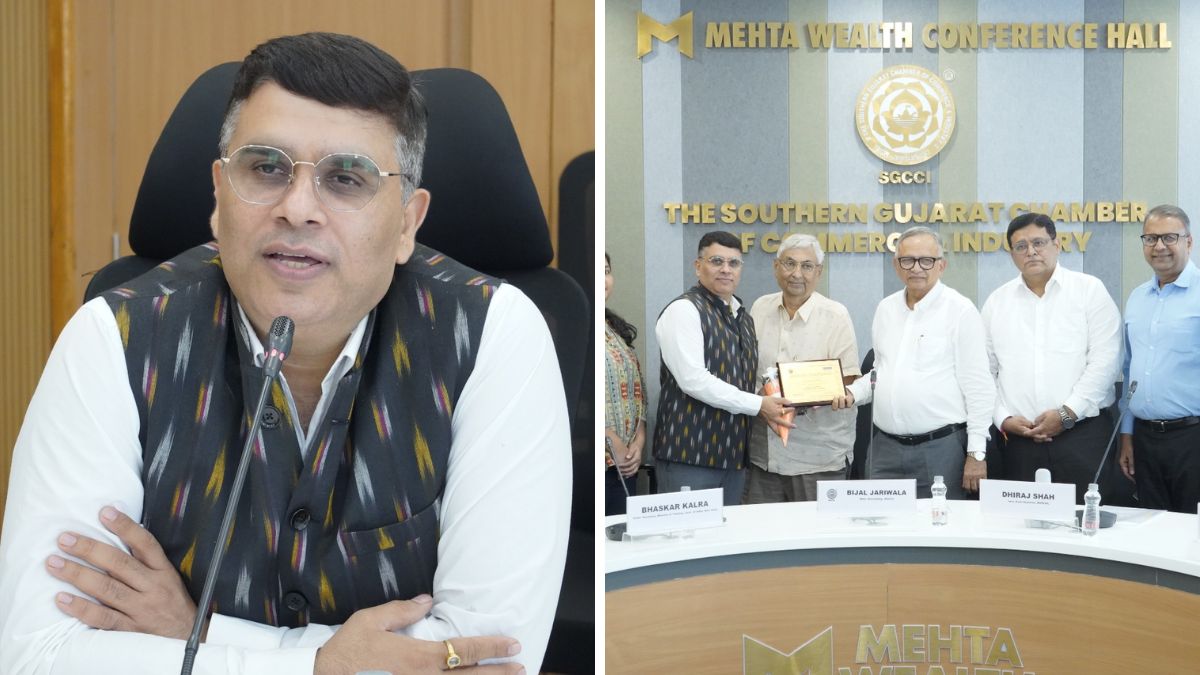
Surat Textile Industry Seeks PLI Benefits for Rs.50 Cr Investors
Surat | Gujarat — In a crucial meeting with the Ministry of Textiles, the textile industry of Surat, the country’s textile hub, demanded wider access to the Production Linked Incentive (PLI) scheme....

Surat | Gujarat — In a crucial meeting with the Ministry of Textiles, the textile industry of Surat, the country’s textile hub, demanded wider access to the Production Linked Incentive (PLI) scheme. Industrialists pressed for benefits to be extended to investors up to ₹50 crore and called for inclusion of new HSN codes to expand the scheme’s reach.
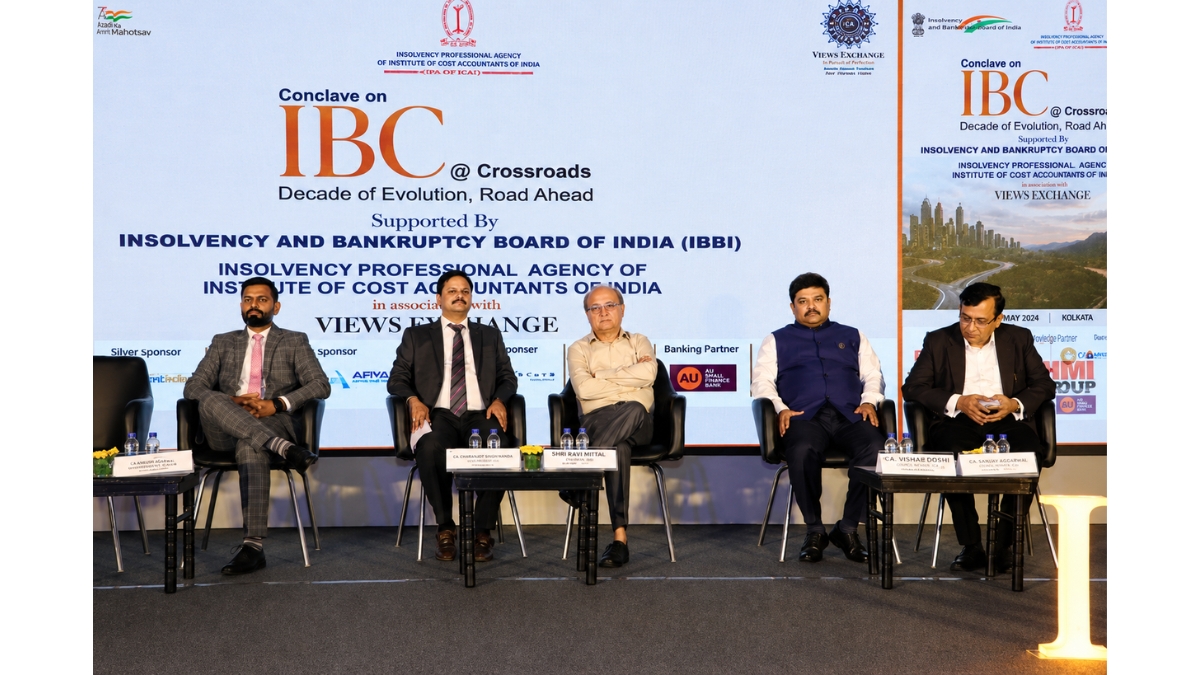
The meeting, jointly organized by the Southern Gujarat Chamber of Commerce and Industry (SGCCI) and Metaxile at Sarsana, Surat, was addressed by Bhaskar Kalra, Under Secretary, Ministry of Textiles, Government of India, who highlighted the scheme’s provisions and invited industry feedback.
Currently, only textile industrialists who invest between ₹100–300 crore or above ₹300 crore are eligible for incentives under the PLI scheme, which presently covers 116 HSN codes. Kalra informed participants that the application window for the scheme remains open till September 30, 2025, urging entrepreneurs to apply at the earliest.
“The PLI scheme is designed to strengthen India’s textile industry and encourage large-scale investment. I appeal to Surat’s industrialists to take maximum advantage of this scheme before the deadline,” said Bhaskar Kalra, addressing the gathering.
Industry Push for Inclusive Policy
The city’s textile leaders, however, argued that the scheme currently excludes a large segment of medium-scale investors who are critical to the sector’s growth.
Dhiraj Shah, former Chairman of Metaxile, stressed, “Surat is home to thousands of units, many of whom operate at investment levels below ₹100 crore. Limiting PLI benefits only to big-ticket investors creates an imbalance. We strongly recommend extending the scheme to investors up to ₹50 crore to ensure wider participation.”
Bharat Gandhi, Chairman of FIASWI and former SGCCI President, added, “The government’s vision should focus not just on mega projects but also on empowering mid-level players who form the backbone of Surat’s textile ecosystem.”
Demand for New HSN Codes
Another major recommendation from industrialists was the inclusion of new HSN codes. They argued that several fast-growing product categories remain outside the scheme’s ambit.
Ashish Gujarati, Chairman of SGCCI’s Textile Task Force, said, “To truly transform the textile industry, the scheme must evolve with market realities. New HSN codes and import-substituted products should be included, which will reduce dependency on imports and enhance domestic competitiveness.”
A Call to Strengthen Surat’s Textile Legacy
Industrialists also urged the government to recognize the strategic importance of Surat’s textile cluster, which employs lakhs of workers and contributes significantly to India’s exports.
Ravindra Arya, Chairman of Pandesara CETP, noted, “Surat is not just a regional hub—it is India’s textile growth engine. A more inclusive PLI scheme will accelerate both employment generation and export earnings.”