
6.34 Lakh Fake Ration Cards Cancelled in Gujarat in 6 Years
Massive clean-up drive exposes irregularities as server glitches and shop closures hit beneficiaries across Gujarat

Advertisement
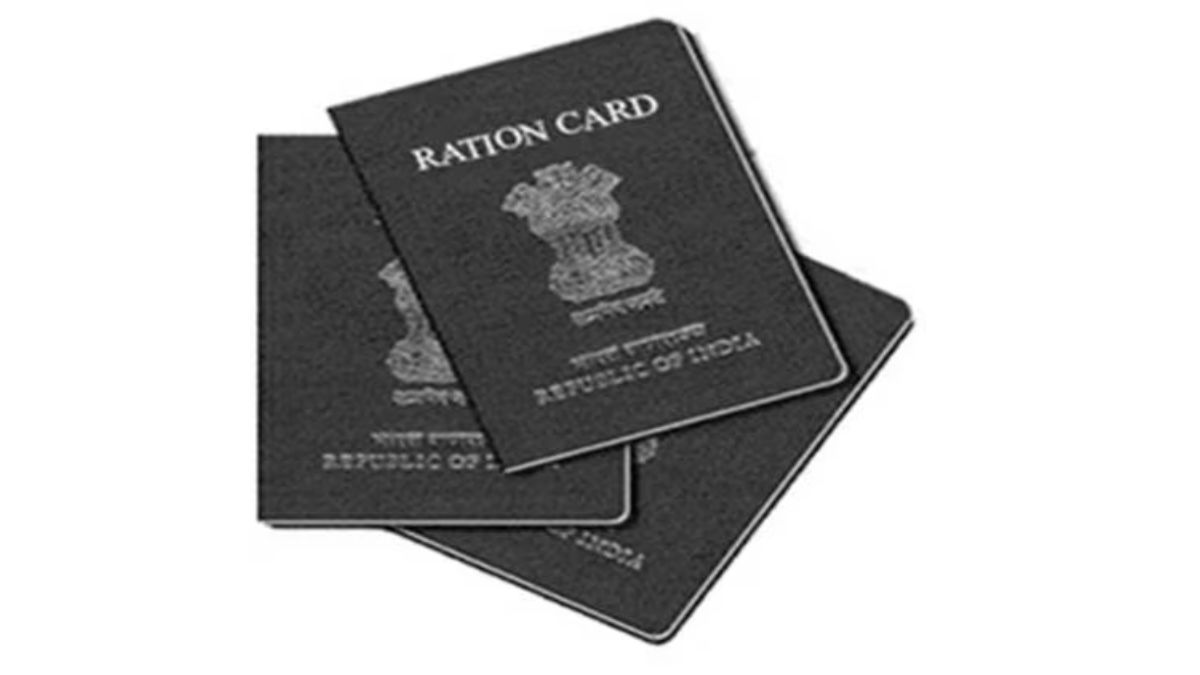
Gandhinagar | Gujarat — More than 6.34 lakh ration cards have been cancelled in Gujarat over the last six years, exposing the growing prevalence of fake ration cards and large-scale irregularities in the public distribution system (PDS). The massive verification drive has brought to light discrepancies ranging from bogus beneficiaries to e-KYC mismatches, deaths, migration and Aadhaar seeding failures.
According to official figures of the Food and Civil Supplies Department, a total of 6,34,959 ration cards were scrapped between 2019 and 2025. Authorities say the primary reason was the identification of fake ration cards and ineligible beneficiaries availing subsidised food grains.
“Strict verification and digitisation have helped us identify duplicate and bogus cards. The objective is to ensure that only genuine beneficiaries receive subsidised food grains,” a senior department official said.
However, the crackdown comes at a time when over 3.50 crore people in Gujarat depend on cheap food grain shops for essential supplies. Complaints of server downtime and biometric failures have further complicated access for genuine beneficiaries. The Central Government has directed states to ensure that no eligible family is denied food grains due to network issues, Aadhaar authentication problems or biometric system failures, and alternative arrangements have been mandated.
Adding to concerns, 1,697 fair price shops have been closed across Gujarat as of March 2023. Officials claim that closed outlets have been merged with nearby shops, but residents in several districts report inconvenience and difficulty in accessing rations.
The highest number of closures has been reported from major districts: Surat (163), Vadodara (147), Amreli (142), Ahmedabad city (141), Rajkot (125), Devbhoomi Dwarka (98), Patan (78) and Bhavnagar (78).
Activists argue that while eliminating fake ration cards in Gujarat is necessary, systemic gaps must not penalise the poor. “Cleaning the system is important, but connectivity failures and shop closures should not push vulnerable families into food insecurity,” a social worker from Surat said.
The government maintains that digitisation, Aadhaar-based authentication and tighter scrutiny are crucial to prevent leakages in the PDS. Yet, as Gujarat projects itself as an economically strong state, the rising number of beneficiaries and operational disruptions raise pressing questions about last-mile delivery and food security safeguards.
Advertisement
