
Will Surat Diamond Industry Reroute US Exports via Dubai as 2025 Tariffs Bite
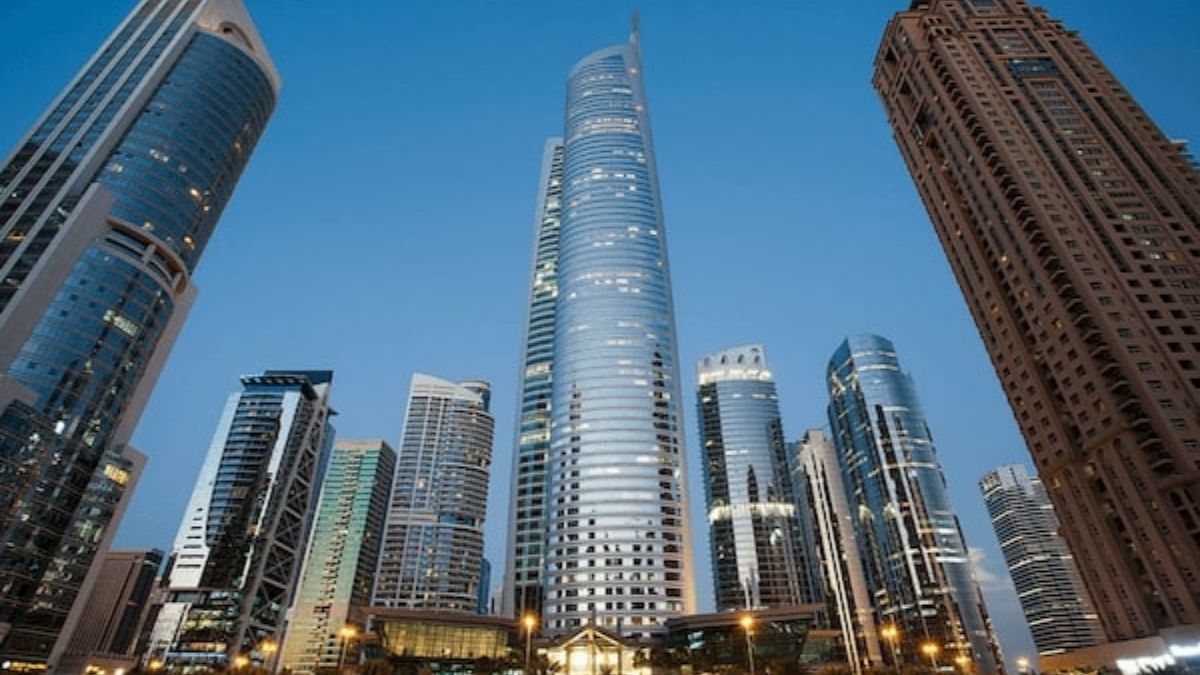
With escalating costs and compliance pressures, major diamond firms based in Surat, India’s diamond polishing hub, are now turning to the United Arab Emirates (UAE)—specifically, the Dubai Multi Commodities Centre (DMCC) and free-trade zone in the United Arab Emirates, located in the Jumeirah Lake Towers district of Dubai—as a strategic export gateway to the lucrative US market.

Advertisement
Surat, Gujarat —- The reintroduction of sweeping US tariffs on goods from India–additional 25% taking the total duty at 50%– by the Trump administration has sent shockwaves through global trade routes—and India’s diamond industry is adapting swiftly. With escalating costs and compliance pressures, major diamond firms based in Surat, India’s diamond polishing hub, are now turning to the United Arab Emirates (UAE)—specifically, the Dubai Multi Commodities Centre (DMCC) and free-trade zone in the United Arab Emirates, located in the Jumeirah Lake Towers district of Dubai—as a strategic export gateway to the lucrative US market.
More than 40% of India’s polished diamond exports are destined for the United States, and the recent tariff turbulence has forced exporters to reevaluate their shipping and invoicing strategies.
“The cost of direct exports to the US has gone up significantly,” said a senior functionary of the Gem & Jewellery Export Promotion Council (GJEPC). “Dubai offers a neutral and tax-efficient base to reroute goods, maintain profit margins, and protect global competitiveness.”
Over the past five years, most of India’s leading diamond companies have established trading offices in DMCC, the world’s leading free zone for commodities. With state-of-the-art vaults, streamlined customs clearance, and political neutrality, Dubai provides a vital buffer against the volatility of US-China trade dynamics.
“We’re not just re-exporting, we’re restructuring our entire logistics pipeline through the UAE,” said Nirav Patel, director of a Surat-based diamond firm.
“Dubai offers faster clearances, lower tax burdens, and global banking access. It’s a smarter gateway in this new tariff environment.”
The strategy is simple yet effective: diamonds are polished in Surat, shipped to Dubai, invoiced through DMCC-based offices, and then forwarded to the US. This not only helps skirt higher tariff thresholds but also provides flexibility in complying with shifting US rules of origin, especially amid increased scrutiny over transshipment practices across Asia.
US Tariff Ripple Effects
Following the expiration of a temporary reprieve in July 2025, the US imposed a flat 10% tariff on a wide range of imports, including goods transshipped from Gulf countries like the UAE. However, this is still significantly lower than the 25–30% tariffs on exports from China, 50% on India, and other Asian countries.
For Indian diamond exporters, who faced a 50% tariff rate when shipping directly from Indian ports, the 10% flat rate applicable via the UAE represents a substantial saving.
“This move protects our margins in the US market, which remains our most critical destination,” said Mehul Sanghvi, a Surat diamond exporter with operations in DMCC.
“Without such restructuring, our exports would have collapsed by at least 30%.”
Broader Industry Trends
This shift is part of a broader transformation within India’s gem and jewellery sector. In 2024, the country exported nearly $13 billion worth of cut and polished diamonds. But amid global trade tensions, inflation, and reduced US discretionary spending, Indian firms are being forced to think beyond traditional models.
Dubai, with its proximity to Africa (a major rough diamond source), European buyers, and now US rerouting potential, has become an indispensable node in the industry’s global supply chain.
Additionally, several Surat-based companies are investing in Dubai-based manufacturing and certification facilities to meet US rules of origin and gain additional tariff benefits under bilateral frameworks that the UAE is pursuing.
Despite the apparent advantages, some experts caution that this strategy may face future hurdles.
“While rerouting through Dubai is effective now, Washington may tighten origin rules or renegotiate UAE tariffs,” warned a senior trade analyst from Mumbai.
“This is a smart short-term move, but we need a sustainable long-term export policy.”
There is also concern within India’s trade circles that excessive dependence on Dubai could dilute India’s brand identity as a polished diamond leader.
Advertisement
