

Surat Industrialists Outraged as DGVCL Fails to Honor Green Energy Settlement
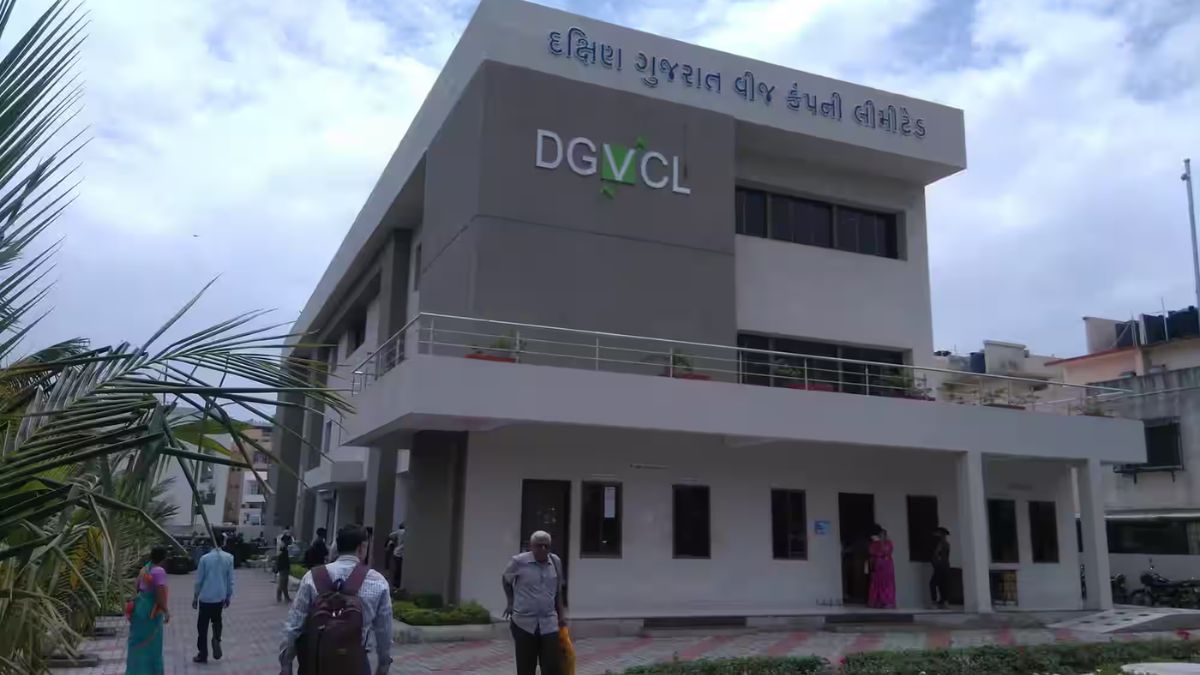
The root of the controversy lies with Dakshin Gujarat Vij Company Limited (DGVCL) and Gujarat Urja Nigam Limited (GUNL), who have reportedly failed to settle the power generated through solar plants for the month of July.

Advertisement
Surat, Gujarat — In a move that has shaken Surat’s industrial sectors, more than 100 solar power plant owners, mainly from textile, chemical, and diamond industries, have been slapped with massive electricity bills—some ranging from ₹40 lakh to ₹1 crore per unit—without a single unit of green energy being credited in settlement.
The root of the controversy lies with Dakshin Gujarat Vij Company Limited (DGVCL) and Gujarat Urja Nigam Limited (GUNL), who have reportedly failed to settle the power generated through solar plants for the month of July. Industrialists allege that despite their ongoing investment in solar infrastructure, DGVCL has retaliated after many industrialists moved the Gujarat High Court challenging the state’s decision to cap solar banking at 20%.
“We installed solar power to reduce dependency on grid electricity. But this month, we got bills as high as ₹10 lakh per megawatt without a single unit of solar generation being credited,” said Prakash Jain, a textile unit owner in Sachin GIDC. “It feels like punishment for exercising our legal rights.”
Sources say the green energy settlement process has been withheld, pending the outcome of the ongoing High Court case. However, the industrial community sees it as a deliberate pressure tactic by DGVCL and GUNL.
“We are being forced to raise emergency funds to pay these inflated bills. It’s unjust and puts thousands of jobs at risk,” said Haresh Patel, who operates a diamond polishing unit with a 2 MW solar plant.
This unexpected burden comes at a time when global competitiveness is tightening, and input costs are already squeezing margins. Industry associations are demanding immediate interim relief and have warned of mass protests if corrective action isn’t taken.
With more than 100 affected units and crores at stake, the legal battle in the Gujarat High Court is now being closely watched across the state’s industrial belt. Until the verdict arrives, the future of solar investment—and industrial faith in government-backed energy policies—hangs in the balance.
Advertisement
