
Surat Faces Flood Threat as Tapi River Causeway Weakens
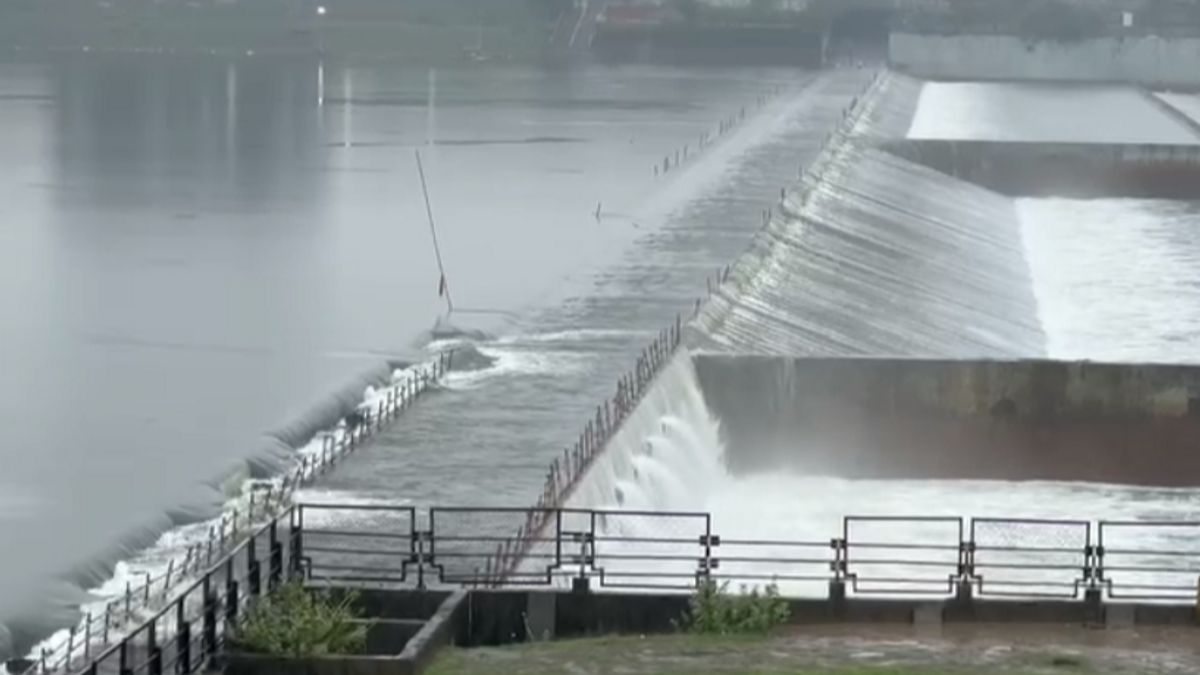
Built in 1995 at a cost of ₹31 crore, the weir cum causeway on Tapi river in Surat has suffered recurring downstream erosion for several years. However, the damage sustained during the 2024 monsoon was the most severe yet, with the apron downstream completely washed away

Advertisement
Surat | Gujarat — A year after alarming damage was reported at the weir cum causeway on the Tapi river, the structure that connects Rander to Singanpore in Surat remains dangerously weak—with no concrete repair work initiated. Now, with the monsoon in full swing, residents of low-lying areas are staring at the very real possibility of flooding.
Built in 1995 at a cost of ₹31 crore, the weir cum causeway on Tapi river in Surat has suffered recurring downstream erosion for several years. However, the damage sustained during the 2024 monsoon was the most severe yet, with the apron downstream completely washed away. Despite spending ₹14 crore over the years for repairs, the situation continues to worsen annually due to overflowing water and poor long-term planning.
“Last year’s monsoon made it very clear that the structure is on the brink of collapse,” said a retired civic engineer on condition of anonymity. “But despite knowing the risk, the administration spent a year doing nothing but waiting for survey reports.”
After the 2024 damage, the Surat Municipal Corporation (SMC) had assured the public that national-level agencies would be roped in to conduct technical surveys for a comprehensive strengthening plan. While multiple agencies have inspected the site, no definitive action has been taken—leaving the causeway more vulnerable than ever.
“The surface level has visibly reduced, and deep scouring is evident downstream. Even the heavy concrete blocks installed earlier have been dislodged,” said a local resident and activist, Vipul Desai. “The government is playing with people’s lives.”
The administration maintains that repairs will only begin after the final survey report is submitted. But there is no clear timeline—raising questions about whether the work will even begin before the 2026 monsoon.
In the meantime, experts warn that the weakened structure compromises the ability to manage the flow of the Tapi river, potentially exposing Surat’s low-lying areas to devastating floods.
“Water management structures like this are crucial to city safety,” said Dr. Jignesh Patel, a civil infrastructure expert. “Delays in decision-making and implementation are a recipe for disaster, especially during monsoons.”
For the 7 million-plus residents of Surat, the risk is real. With no solid foundation beneath the causeway and no assurance of timely intervention, the fear of flash floods and infrastructure failure looms large.
Advertisement
