




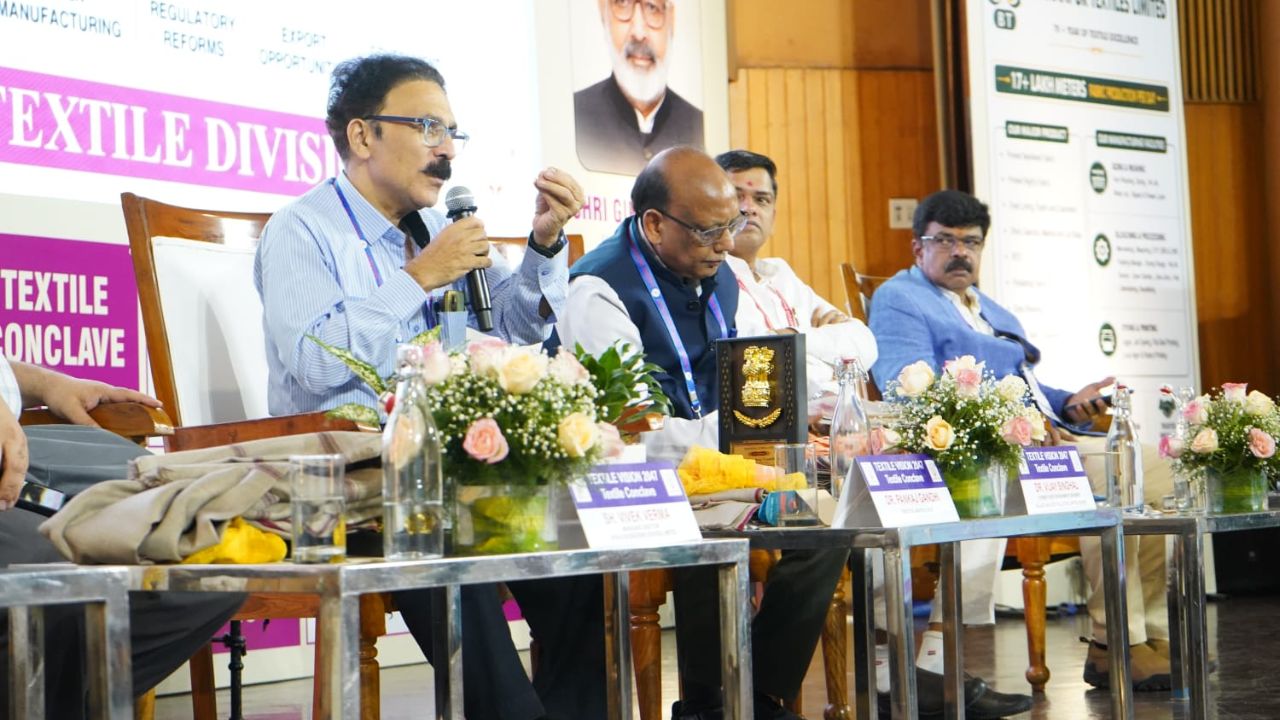

Sudeep Singh from FCI Discusses India’s Energy Shift: From Rural Electrification to a Renewable-Powered Future
India’s energy journey has undergone a remarkable transformation over the past decade. What began as an ambitious mission to electrify every village has now evolved into a broader vision of building...

India’s energy journey has undergone a remarkable transformation over the past decade. What began as an ambitious mission to electrify every village has now evolved into a broader vision of building a renewable-powered, sustainable energy ecosystem. With rising energy demand, climate commitments, and technological advancements shaping policy decisions, India is steadily moving from expanding access to ensuring clean, reliable, and inclusive power for all. This shift reflects not only infrastructure development but also a strategic move toward long-term sustainability and economic resilience.
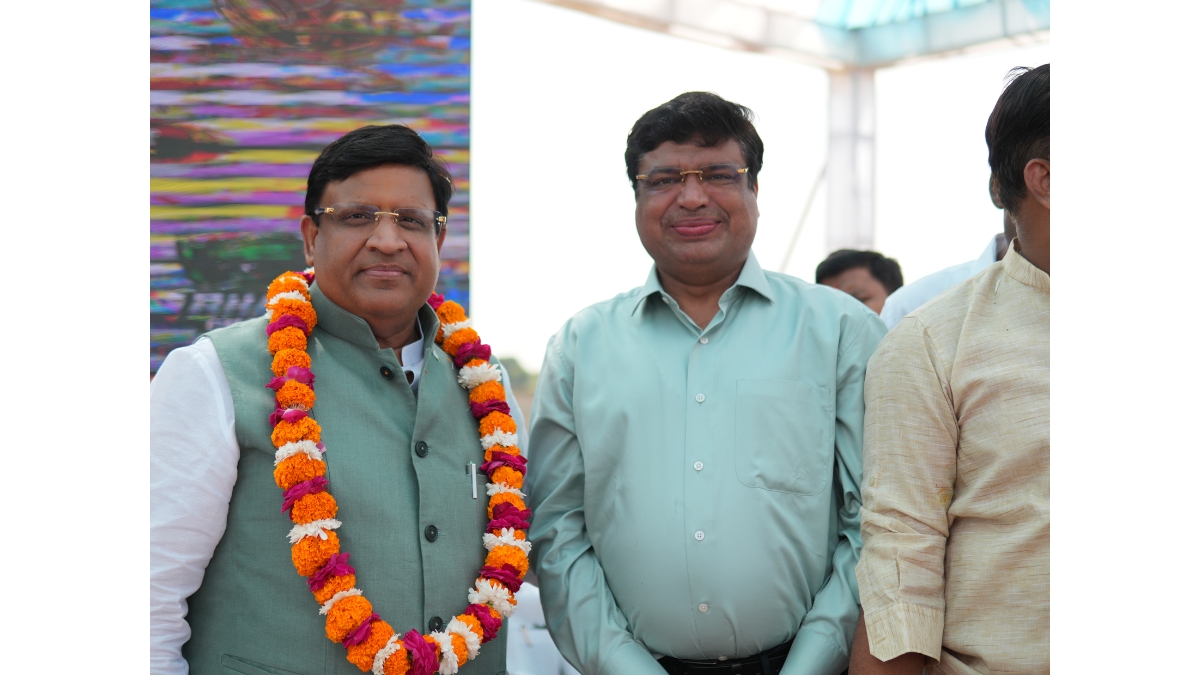
“India’s energy transformation reflects a deeper shift in national priorities, from simply connecting villages to empowering communities with reliable and sustainable power. Rural electrification laid the foundation, but renewable energy is now driving inclusive growth, reducing dependency on fossil fuels, and strengthening energy security for the future,” says Sudeep Singh, Former Director, Food Corporation of India. “The real progress lies in ensuring that clean energy reaches every household, farm, and small enterprise, creating opportunities for rural prosperity while supporting India’s climate goals.”
India’s energy transition began with the push for universal electrification. By April 2018, the country achieved 100% village electrification, connecting over 2.8 crore households through initiatives such as the DeenDayalUpadhyaya Gram JyotiYojana (DDUGJY) and the SAUBHAGYA scheme. These efforts helped bridge longstanding energy access gaps, particularly in remote and rural regions.
However, electrification was only the first step. The focus soon shifted toward improving reliability, quality, and sustainability. Over the years, energy shortages dropped significantly, from around 4.2% in 2013-14 to nearly 0.1% by 2024-25, reflecting improvements in grid infrastructure and supply management. In remote regions where traditional grid expansion was difficult, decentralized renewable solutions such as solar mini-grids and distributed renewable energy systems helped extend access further.
These developments not only improved living standards but also accelerated rural economic activity. Electrified villages witnessed growth in small businesses, improved healthcare access, digital connectivity, and enhanced agricultural productivity. This transformation laid the groundwork for India’s next phase, transitioning to renewable energy.
India’s renewable energy expansion has gained remarkable momentum. By mid-2025, India achieved nearly 50% of its installed electricity capacity from non-fossil fuel sources, reaching the milestone five years ahead of its 2030 target. The country has also set an ambitious goal of achieving 500 GW of non-fossil fuel-based energy capacity by 2030, positioning itself among global leaders in clean energy adoption.
Solar energy has emerged as the primary driver of this transformation. Installed solar capacity has grown nearly 39-fold since 2014, crossing 130 GW by late 2025. Government initiatives such as the PM Surya Ghar: MuftBijliYojana are accelerating rooftop solar adoption, aiming to provide free electricity to one crore households while promoting decentralized clean energy solutions.
Wind energy has also expanded significantly, with capacity crossing 50 GW in 2025, particularly in renewable-rich states like Gujarat and Tamil Nadu. Hybrid energy systems combining solar and wind are being promoted to address intermittency challenges and ensure a consistent power supply. Additionally, India’s National Green Hydrogen Mission, launched in 2023, aims to produce 5 million metric tonnes of green hydrogen annually by 2030, supported by substantial renewable capacity expansion.
“Renewable energy is no longer just an environmental necessity; it is becoming the backbone of India’s economic growth strategy,” Sudeep Singh notes. “Solar rooftops, hybrid energy parks, and decentralized power systems are empowering rural communities and reducing energy costs across sectors.”
The shift to renewable energy is also playing a crucial role in inclusive growth. Clean energy solutions are transforming rural livelihoods by enabling irrigation systems, cold storage facilities, and small-scale manufacturing. Rooftop solar installations, solar-powered irrigation pumps, and micro-grid systems are helping farmers reduce operational costs while improving productivity.
Renewable energy adoption is also promoting sustainable development in remote regions. Distributed renewable energy solutions have improved energy access in difficult terrains, particularly in the Northeast and tribal areas. These initiatives contribute to job creation, local entrepreneurship, and reduced dependence on fossil fuel imports.
Additionally, smart homes, electric mobility, and energy-efficient appliances are becoming more common across urban and rural areas alike, encouraging sustainable consumption patterns. These developments highlight how clean energy initiatives are reshaping everyday life and promoting long-term sustainability.
India’s energy transition is supported by strong policy frameworks and infrastructure investments. Initiatives such as the Production Linked Incentive (PLI) scheme have boosted domestic solar manufacturing capacity, strengthening supply chains and reducing import dependence.
Infrastructure development, including the Green Energy Corridor project, is helping transmit renewable energy from states like Rajasthan and Gujarat to high-demand regions. Grid modernization and automation are also playing a vital role in integrating renewable sources efficiently across the country.
Despite progress, challenges remain. Renewable energy intermittency requires large-scale energy storage solutions, including battery storage and pumped hydro systems. Land acquisition for solar parks and balancing coal dependency for base-load power are also key considerations in the transition.
India’s journey from rural electrification to renewable leadership reflects a broader vision of sustainable growth. The transition is not only reducing carbon emissions but also strengthening energy security, promoting economic development, and improving the quality of life across regions.
With continued policy support, technological innovation, and infrastructure investment, India is positioning itself as a global leader in clean energy. As Sudeep Singh emphasizes, the success of this transition lies in ensuring that renewable energy benefits every citizen, transforming villages, industries, and cities into drivers of a sustainable, energy-secure future.
Disclaimer: Views expressed above are the author’s own and do not reflect the publication’s views.