
Mossad Inside Iran: A Failure That Turned Into a Feat
From stolen nuclear files to double agents at the top, former Iranian president’s revelations reignite global debate on Mossad’s deepest infiltration yet

Advertisement
For years, Mossad was spoken of in hushed, almost mythical tones—the intelligence agency that could strike enemies anywhere in the world, spare no one, and leave no trace. But after Hamas’ devastating October 7 attack on Israel, the aura around Mossad cracked. Critics across the world asked the unthinkable question: had the world’s most feared intelligence agency failed?
Within weeks, that narrative flipped dramatically.
The killing of Hamas leader Ismail Haniyeh, the reported targeting of Hezbollah chief Hassan Nasrallah, mysterious pager explosions, and Israel’s uncanny reach across Gaza, Lebanon, and even Iran led to a sudden refrain: “Wow, Mossad.” The agency that was being questioned was now being hailed for an intelligence comeback few thought possible.
And now, a revelation from inside Iran has poured fuel on that perception.
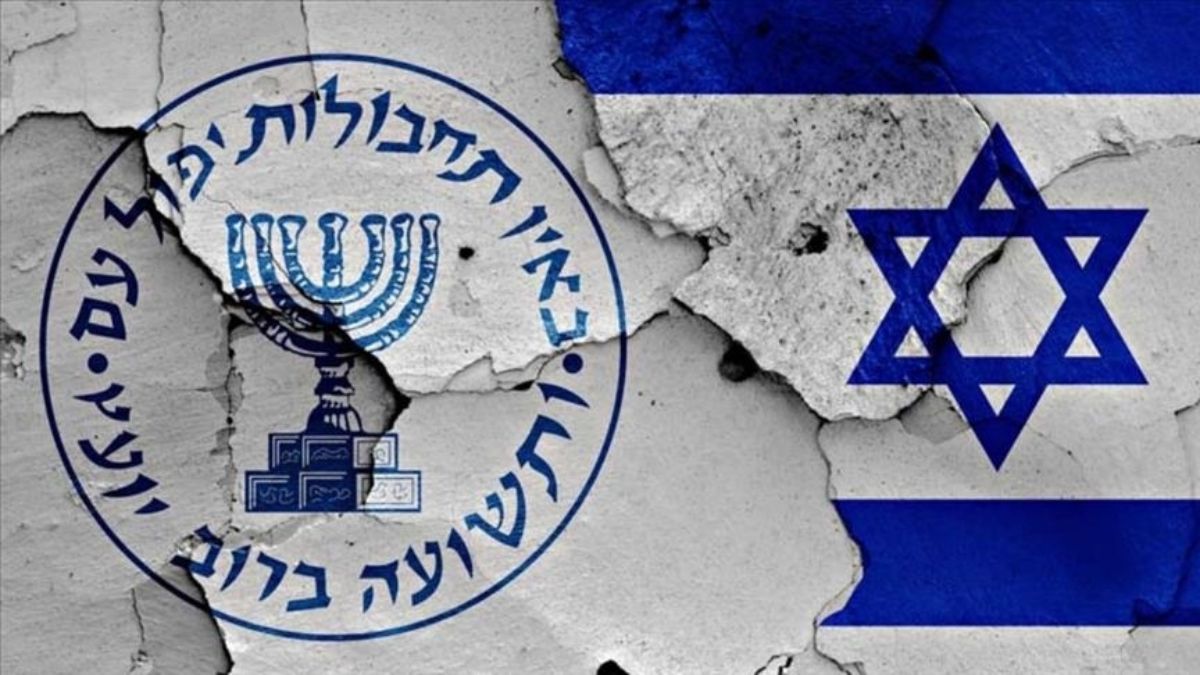
In a startling interview to CNN Turk, former Iranian president Mahmoud Ahmadinejad claimed that Israel’s Mossad did not just penetrate Iran—it turned Iran’s own intelligence officers into Israeli agents. According to him, the very agency set up to spy on Mossad was itself infiltrated by Mossad, right up to the top.
“They Bought Our Own Men”
Ahmadinejad, who served as Iran’s president from 2005 to 2013, did not mince words. He revealed that Iran had established a specialised intelligence unit to monitor Mossad, similar to how India has RAW or Pakistan has ISI. The objective was clear: track Israel’s covert activities.
What happened instead, he claimed, was astonishing.
“The head commander of that unit himself became a Mossad agent,” Ahmadinejad said. “The 20 senior officers under him also turned into Israeli agents.”
According to the former president, these double agents handed over thousands of highly classified documents related to Iran’s nuclear programme to Israel. “If this had not happened,” he said, “Iran would have nuclear weapons today.”
Coming from a former president, not an opposition figure or foreign analyst, the allegation carries extraordinary weight. It reframes Mossad’s role not merely as an external threat but as an internal puppeteer shaping Iran’s fate from within.
The 2018 Nuclear Files That Shook the World
Ahmadinejad’s claims align directly with events that unfolded in 2018. That year, Israeli Prime Minister Benjamin Netanyahu dramatically revealed what he called Iran’s “secret nuclear archive” in a globally televised presentation.
Standing before shelves of documents and digital files, Netanyahu declared that Mossad had secretly removed more than 100,000 files from a warehouse in Tehran. The documents, he said, proved Iran had lied about its nuclear ambitions.
At the time, the world was divided. Iran dismissed the revelations as fabricated propaganda. But the political fallout was immense.
Then-US President Donald Trump reviewed the material, had it cross-verified by American intelligence agencies, and reportedly found it authentic. Soon after, Trump announced America’s withdrawal from the Joint Comprehensive Plan of Action (JCPOA)—the landmark nuclear deal signed in 2015 between Iran and the P5+1 nations.
“I am cancelling the disastrous Iran nuclear deal,” Trump declared, reimposing sweeping sanctions that plunged Iran into its deepest economic crisis in decades.
If Ahmadinejad’s account is correct, it was Mossad—working through Iranian insiders—that delivered the final blow to Iran’s nuclear diplomacy.
Why Israel Never Trusted the JCPOA
The JCPOA was supposed to be a diplomatic breakthrough. In exchange for strict monitoring by the International Atomic Energy Agency (IAEA), Iran received sanctions relief and access to enriched uranium for civilian nuclear use.
Israel never trusted it.
Netanyahu warned repeatedly that Iran would divert civilian uranium toward weapons-grade enrichment. The Mossad operation, allegedly executed by turning Iranian intelligence officers into assets, was Israel’s way of proving its case to the world.
When those documents surfaced, Israel didn’t need speculation—it had Iran’s paperwork.
From Nuclear Files to Targeted Killings
Ahmadinejad went further, suggesting that this infiltration explains a series of high-profile assassinations inside Iran.
From nuclear scientist Mohsen Fakhrizadeh to US drone strike victim Qasem Soleimani, and even the mysterious helicopter crash that killed President Ebrahim Raisi, Ahmadinejad implied that Israel had advance knowledge of Iran’s internal movements.
“What you think, what you plan—they already know,” he said, hinting at Mossad’s near-omniscient intelligence network.
He dismissed recent claims about Mossad-linked pager explosions as nothing new. “They did something far bigger six years ago,” he said, referring again to the nuclear documents theft that reshaped Iran’s economy and global standing.
Iran’s Silence and a Deeper Fear
Perhaps the most telling consequence of these revelations is Iran’s current silence.
Despite escalating conflict involving Hamas, Hezbollah and the Houthis, Iran’s public response has been unusually restrained. Analysts believe this caution may stem from fear—fear that Israel’s intelligence penetration runs deeper than Tehran admits.
“If Iran speaks too loudly,” one regional expert noted, “it risks exposing how vulnerable it really is.”
The suspicion is that Iran is closer than ever to nuclear capability, and any aggressive move could invite pre-emptive action—action Mossad has proven it can execute with devastating precision.
Netanyahu’s Message to the Iranian People
Almost immediately after Ahmadinejad’s interview surfaced, a video of Netanyahu addressed directly to the Iranian people began circulating online.
“I have no enmity with you,” Netanyahu said. “Jews and Persians can bring peace to the world. It is your leadership that is destroying your future.”
The message was unmistakable: Israel sees Iran’s leadership—not its people—as the enemy.
A Shadow That Still Looms
Ahmadinejad’s revelations have reignited a global debate: how deep does Mossad’s reach go? If Israel could compromise Iran’s top intelligence unit once, could it still be doing so today?
After October 7, the world questioned Mossad. Today, after Iran’s former president speaks, the world fears it.
Because if even Tehran’s guardians were not secure, no state truly is.
Advertisement
