
India Aims for HIV-Free Status by 2030, Valsad District Strengthens Prevention
With 44% decline in new HIV cases since 2010 and strong ART coverage in Valsad, India accelerates prevention, treatment and mother-to-child infection control efforts.

Advertisement
Valsad | Gujarat –— India continues to make remarkable progress in its fight against HIV/AIDS. In 2023, the country recorded approximately 66,400 new HIV infections, marking a 44% reduction since 2010, surpassing the global decline rate of 39%. The theme for AIDS Awareness Day 2025—“Overcoming Disruption, Transforming the AIDS Response”—highlights India’s ongoing commitment to strengthening prevention, testing, and treatment initiatives.
HIV Scenario in Valsad District
At present, 3,493 patients are registered in Valsad district, of which 2,943 individuals are receiving regular Anti-Retroviral Therapy (ART) through government healthcare facilities. The government ensures consistent follow-up and provides globally acclaimed treatment protocols to all patients.
Medical experts emphasize that HIV is now a manageable chronic condition, similar to diabetes or hypertension. Individuals who avoid high-risk behaviors and adhere to regular treatment can live healthy lives for 20–25 years or more after infection and may also benefit from future advancements in HIV medications. According to Dr. Gilada, a leading authority in the field, persons living with HIV today are more likely to die from unrelated health conditions rather than HIV/AIDS-related complications.
Focused Prevention Through Targeted Interventions
India’s HIV epidemic remains concentrated among certain high-risk groups. For years, national efforts have centered on Targeted Interventions (TI)—including Female Sex Workers (FSW), Men who have Sex with Men (MSM), and single migrant workers in industrial belts. These programs ensure free condom distribution under the principle “No Condom, No Sex” and promote regular HIV testing.
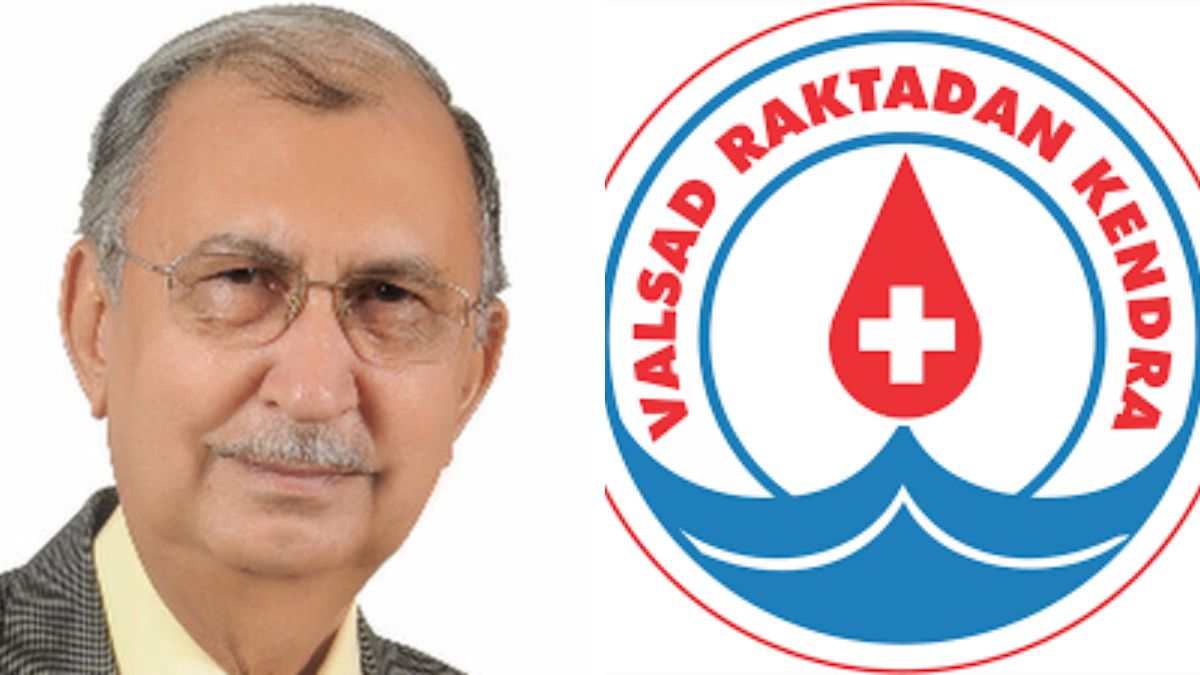
In Valsad district alone, three TI projects are currently operational. Valsad Raktdan Kendra, under the guidance of the Gujarat State AIDS Control Society, manages two of these projects. The organization supports 1,015 MSM, 648 FSW, and over 10,000 industrial workers in the Vapi area through prevention outreach and free condom supply.
Protecting Mothers and Newborns
India conducts more than 30 million free HIV tests annually for pregnant women. Those who test positive receive timely Anti-Retroviral Therapy (ART) to reduce viral load, ensuring that their babies are born free from HIV infection. This initiative forms a crucial part of India’s strategy to eliminate mother-to-child transmission.
India’s Global Leadership
India is committed to ending HIV/AIDS as a public health threat by 2030. The nation also plays a vital global role by supplying over 70% of the world’s anti-retroviral medicines, enabling affordable treatment access for many low- and middle-income countries.
(This article is written by Dr. Yazdi Italia, founding trustee of Valsad Raktadan Kendra)
Advertisement
