





How Starbucks Lost Its Way: The $40-Billion Slide of a Global Coffee Icon
STARBUCKS once did something no coffee brand had ever done before—it turned an ordinary beverage into a premium lifestyle. Holding a Starbucks cup was not just about drinking coffee; it was about...

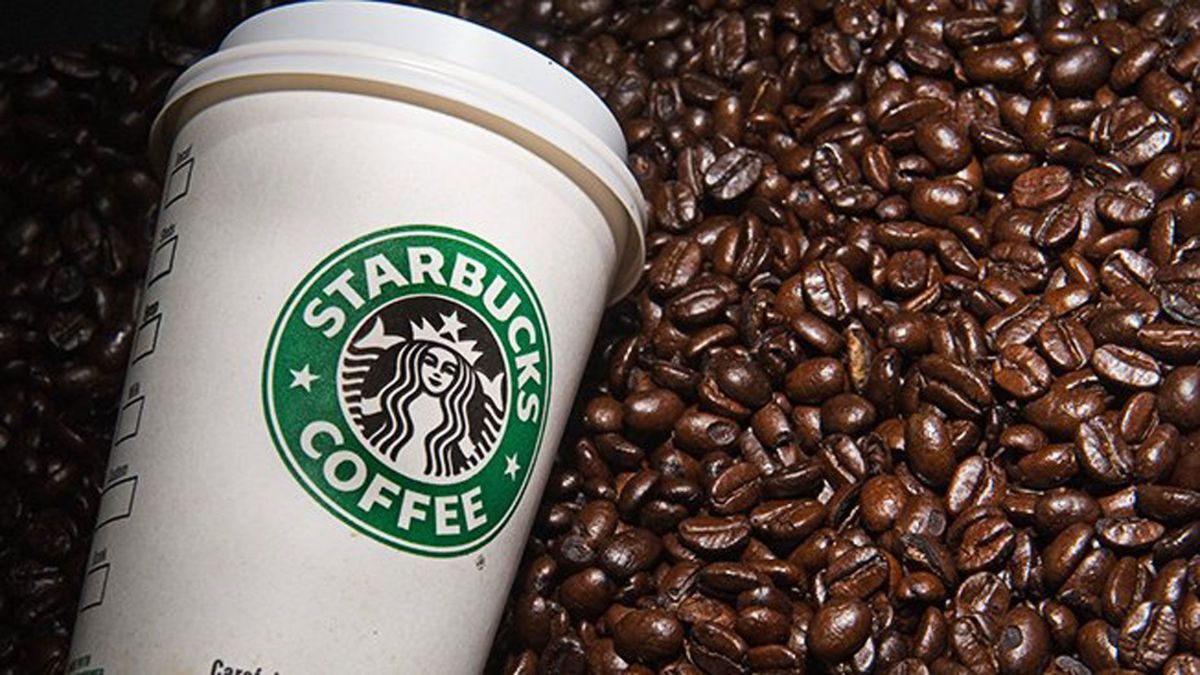
STARBUCKS once did something no coffee brand had ever done before—it turned an ordinary beverage into a premium lifestyle. Holding a Starbucks cup was not just about drinking coffee; it was about belonging. For decades, Starbucks taught the world how to drink coffee, where to drink it, and why it should feel special.
Yet today, that same icon has lost over $40 billion in market value in just four years, slipping from a valuation of nearly $140 billion in 2021 to about $100 billion in 2025. For a company that sold nearly ₹900 crore worth of coffee a day globally, the fall has been as shocking as it is instructive.
“This is not just a business slowdown,” a former Starbucks executive said. “This is a cultural breakdown.”
The Birth of a Global Status Symbol
Starbucks began humbly in 1971 when three friends opened a small coffee shop selling high-quality beans. There was no grand vision—just good coffee. The real transformation began in 1982 when a young retail manager, Howard Schultz, joined the company.
A year later, during a visit to Milan, Italy, Schultz discovered something revolutionary. Cafés there were not transactional spaces. They were social hubs—places where people met, talked, worked, read, and lingered.
“When I saw Italy, I realised coffee wasn’t the product—the experience was,” Schultz later said.
Though the founders rejected his idea, Schultz persisted. He launched his own café built around atmosphere, warmth and community. The model worked so well that in 1987, Schultz bought Starbucks itself—backed by investors including Bill Gates’ father.
What followed was legendary.
The ‘Third Place’ That Changed Everything
Schultz introduced the idea of Starbucks as the “third place”—neither home nor office, but a comfortable space in between. Plush seating, soft music, warm lighting, free Wi-Fi and smiling baristas who called customers by name became the brand’s signature.
Employees were called “partners,” given stock options and health benefits. Coffee was customisable. Prices were premium. Customers gladly paid more—not just for coffee, but for the feeling.
By the 1990s, Starbucks had become a status symbol. By 1999, it boldly entered China—a tea-drinking nation—and succeeded beyond expectations. By 2025, Starbucks had more than 40,000 stores worldwide, with China as its second-largest market after the US.
Then came COVID-19.
When Success Became the Problem
During the pandemic, Starbucks did what many companies could not—it adapted quickly. Dining shut down. The company pushed aggressively into drive-thru and mobile app orders.
The strategy worked—spectacularly.
Over 70% of orders soon came from drive-thrus and the app. Sales surged. Small outlets began processing double or triple the number of orders they once handled.
But there was a hidden cost.
“The business model survived,” a retail analyst noted, “but the brand promise did not.”
The Death of the ‘Third Place’
To maximise efficiency, Starbucks redesigned stores. Seating was reduced. Sofas vanished. Chairs became uncomfortable. Music was drowned out by machines and queues. The café became noisy, rushed, transactional.
Customers who once spent hours inside felt unwelcome.
“If I’m paying ₹400 for coffee, I want the experience,” said a longtime US customer. “Now it feels like a fast-food counter.”
Baristas suffered too. Staff strength remained the same while order volumes tripled. Smiles disappeared. Wait times ballooned. Over 10% of customers now wait more than 15 minutes—unthinkable in Starbucks’ golden years.
Customisation worsened the crisis. With over 30,000 possible drink combinations, one order could take minutes to place and longer to prepare.
“People love choice,” a former store manager said, “but too much choice broke the system.”
Beaten at Both Ends of the Market
As Starbucks lost ambiance, it lost positioning.
- Cheap coffee seekers moved to Dunkin’, McDonald’s and Dutch Bros
- Experience seekers moved to independent cafés
- Starbucks remained expensive—without its premium feel
In China, the damage was devastating. Local rival Luckin Coffee expanded at record speed, offering cheaper coffee with faster service. Starbucks’ market share collapsed from 42% to nearly 14%. Price cuts didn’t help. Sales plunged.
In Australia, a mature coffee market, 70% of Starbucks stores closed. Greece told a similar story.
A Desperate Reset
Leadership churn followed. Howard Schultz returned multiple times to stabilise the company, finally stepping away in 2022. His successor, Laxman Narasimhan, lasted just 17 months.
Now, Starbucks has placed its faith in a new CEO known for rescuing Chipotle.
His message is clear: “We’re going back to Starbucks’ roots.”
Menus are being simplified. Customisation reduced. Baristas retrained. Seating is returning. Technology is being recalibrated to prioritise in-store customers. Starbucks has even sold a majority stake in its China business to local partners.
“This won’t be magic,” the CEO said recently. “Give us three to five years.”
Can Starbucks Rise Again?
Starbucks is too large to vanish overnight. But legacy is harder to rebuild than revenue. Whether the brand can reclaim its status as the world’s favourite “third place” remains uncertain.
What is certain is this: Starbucks’ story has become one of the most powerful case studies in modern business.
As one industry expert summed it up,
“Starbucks didn’t lose because coffee changed. It lost because it forgot why people came in the first place.”