





Gujarat Takes Nari Adalats to Village Level
GANDHINAGAR : Gujarat is taking its Nari Adalat initiative closer to rural women, with the state government announcing a pilot programme to establish 10 Nari Adalats at the Gram Panchayat level...

GANDHINAGAR : Gujarat is taking its Nari Adalat initiative closer to rural women, with the state government announcing a pilot programme to establish 10 Nari Adalats at the Gram Panchayat level across tribal districts.
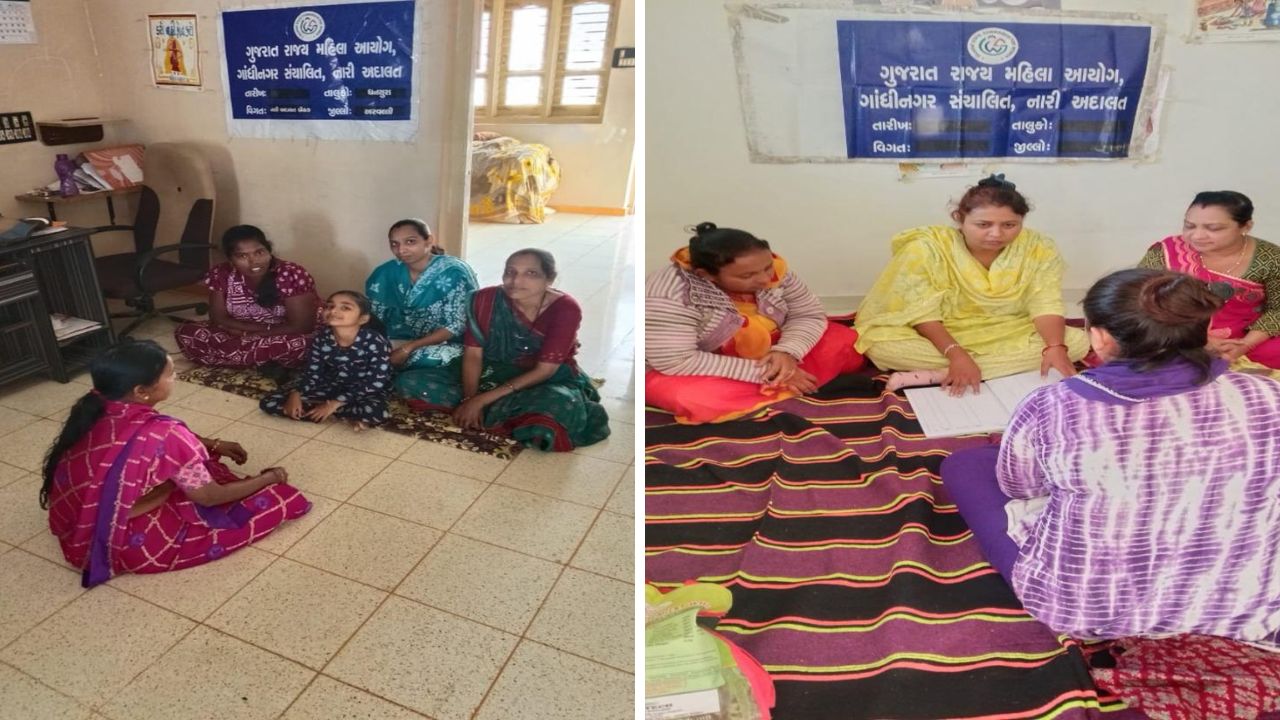
The initiative, being implemented under the Centre’s Mission Shakti scheme, aims to provide women with a local platform to raise grievances and seek assistance in resolving issues without having to travel to district or taluka headquarters. The 10 selected Nari Adalats will be led by women Sarpanches.
The Gujarat Women and Child Development Department’s September 9 government resolution confirms the selection of 10 Gram Panchayats for the pilot project.
“This initiative will create a mechanism closer to women in rural areas and help address their grievances at the local level,” the government said.
Tribal Areas Get Priority
The pilot will cover Gram Panchayats in Narmada, Dahod, Mahisagar, Chhota Udepur, Vav-Tharad, Aravalli and Banaskantha. The selected locations are Garudeshwar and Chikda in Narmada; Singvad, Limdi and Kaliya in Dahod; Kothamba in Mahisagar; Kadwal in Chhota Udepur; Radhanesda in Vav-Tharad; Shamalpur in Aravalli; and Jalotra in Banaskantha.
A key feature is that each selected Gram Panchayat is headed by a woman Sarpanch, bringing the women-led local self-government institution together with the Nari Adalat platform.
270 Nari Adalats Already Functioning
Gujarat has a longer history with the initiative. According to a Gujarat government resolution, the Nari Adalat scheme began in the state in 2012 and has expanded to around 270 Nari Adalats.
The government has said that around 45,000 cases have been received through the existing network, with approximately 44,800 resolved or settled.
At the national level, Nari Adalats operate under Mission Shakti as women’s collectives designed to facilitate alternative dispute resolution and gender justice. The Union government says they address issues such as domestic violence and other gender-based grievances through negotiation, mediation and reconciliation with mutual consent.
Local Platform for Rural Women
The Gujarat pilot follows a proposal from the Gujarat State Commission for Women to expand the mechanism to the village level.
The government will use the experience of the 10 selected Gram Panchayats to assess the initiative and guide its future implementation.
The move places women’s grievance redressal alongside elected women-led Panchayats, creating a village-level mechanism intended to improve access to information, support and alternative dispute resolution for rural women.