
Gujarat Pharma Firms Exploiting Unemployed in Clinical Trials
India’s Clinical Trials Registry mandates that all drug studies be registered and conducted under strict ethical guidelines. But experts say enforcement is weak, creating fertile ground for abuse by Gujarat pharma companies

Advertisement
Ahmedabad | Gujarat –— Pharma companies in Gujarat are under fire for allegedly exploiting unemployed citizens by drawing them into repeated clinical drug trials, often without proper safeguards. While such trials are legal if cleared by regulators, activists argue that many being conducted in Ahmedabad and surrounding regions cross the line into unethical—and possibly unauthorised—practices.
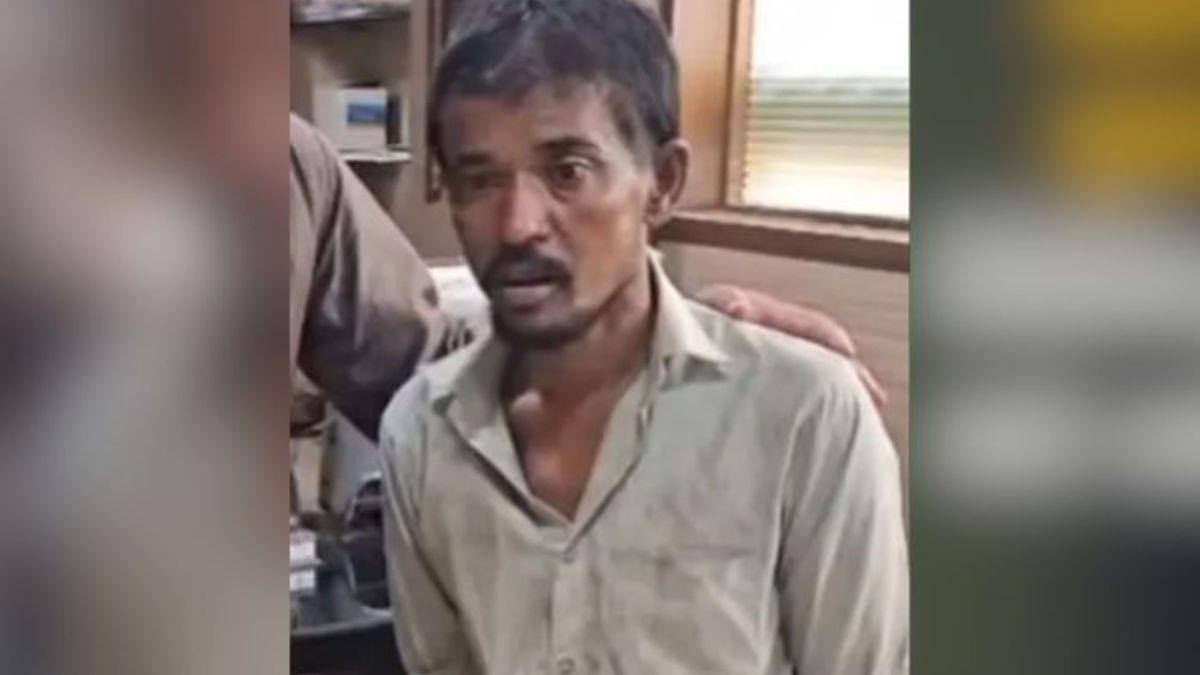
For vulnerable participants, the lure of quick cash has come at devastating costs. Afzal Ajmeri, a former mechanic from Sarkhej, described how years of trial participation left him physically and mentally broken.
“For the last five to six years, I’ve been earning only through clinical trials. They kept me in their research centres for days, gave me tablets, and drew blood samples at fixed hours. For each such package, I received between ₹10,000 and ₹15,000,” Ajmeri told reporters.
‘I ruined myself for money’
Under Indian rules, a participant is allowed to enroll only once or twice a year, with strict intervals between studies. But Ajmeri admitted to enrolling far more frequently. “For the sake of money, I would go four to five times a year,” he said.
The consequences have been grim. Once a breadwinner for his family, Ajmeri now struggles with basic tasks and lives in near isolation. “My life is ruined. I cannot even support my family anymore,” he said, his voice heavy with regret.
Middlemen targeting the poor
Clinical research centres dotting the Sarkhej–Gandhinagar highway and Sanand industrial belt are reportedly recruiting unemployed youth and women through middlemen. The pitch is simple: “Eat these pills, earn money.”
Activists say most participants are poor, uneducated, and unaware of the risks. Consent forms are either not properly explained or bypassed altogether.
Activists call it exploitation
Social activist Ahmedhusen Kansara condemned the practices as deliberate exploitation. “In Sarkhej and Fatehwadi, not only unemployed men but also women are drawn into these trials. Afzal’s own sister fell ill after one such drug test. Companies deliberately keep poor and illiterate people in the dark about side effects,” he said.
Kansara added that his group is preparing both awareness campaigns and legal action. “We will demand compensation for victims whose health has been damaged. No life should be destroyed for the profit of pharma companies,” he declared.
Weak oversight and global shift
India’s Clinical Trials Registry mandates that all drug studies be registered and conducted under strict ethical guidelines. But experts say enforcement is weak, creating fertile ground for abuse.
With tighter monitoring in Europe and the US, pharma firms are increasingly shifting trials to developing countries like India, where regulations are loosely applied. Ahmedabad recently saw unauthorised trials exposed at VS Hospital, highlighting systemic gaps.
Economic desperation fuels the cycle
High unemployment and rising inflation in Gujarat worsen the problem, pushing people to risk their health for short-term income. Agents exploit this desperation, dangling cash rewards while concealing dangers.
While participants earn between ₹10,000 and ₹15,000 per trial, the hidden costs can be catastrophic. Repeated exposure to untested drugs may lead to chronic illness, deformities, paralysis, or even death.
A local advocate warned: “These trials are marketed as easy money. But the long-term price is people losing their health, their livelihoods, even their lives. It’s exploitation disguised as opportunity.”
Demands for accountability
The growing outcry has placed Gujarat’s booming pharmaceutical industry under scrutiny. Civil society groups are demanding stricter inspections, criminal liability for unauthorised trials, and compensation for victims.
Advertisement
