







Gujarat HC Begins Suo Motu Proceedings Against Surat DCP Over Alleged Public Assault of Accused
AHMEDABAD : The Gujarat High Court has taken suo motu cognisance of allegations against Surat Deputy Commissioner of Police (DCP) Rajdeepsinh Nakum, intensifying scrutiny over claims that five...

AHMEDABAD : The Gujarat High Court has taken suo motu cognisance of allegations against Surat Deputy Commissioner of Police (DCP) Rajdeepsinh Nakum, intensifying scrutiny over claims that five accused in an attempt-to-murder case were allegedly beaten in public in violation of constitutional safeguards and Supreme Court directives. The proceedings have once again placed the spotlight on police accountability and the limits of law enforcement powers in a constitutional democracy.
The court acted after senior Gujarat High Court advocate Utkarsh Dave wrote to the Chief Justice on July 15, urging judicial intervention. In his representation, Dave argued that if the allegations are found to be true, the incident would amount to a serious violation of Article 14 and Article 21 of the Constitution, which guarantee equality before law and protection of life and personal liberty.
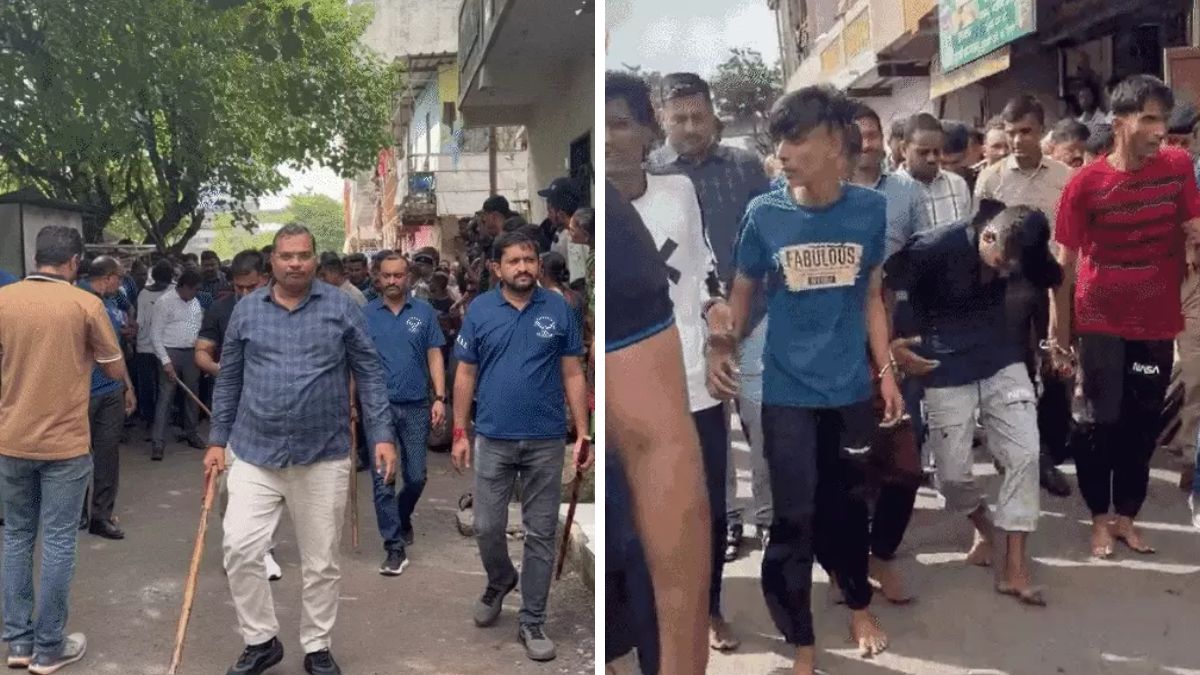
According to the allegations, the incident occurred on July 13 during the investigation of an attempt-to-murder case registered in Surat’s Salabatpura area. Rajdeepsinh Nakum, who was holding additional charge during the period, allegedly supervised a public procession of five arrested accused. Videos circulated on social media purportedly showed the accused being struck with batons while being escorted through public roads. The authenticity and legal implications of these videos are now likely to come under judicial scrutiny.
“No police officer, irrespective of rank, has the authority to punish or publicly humiliate an accused before a court delivers its verdict,” advocate Utkarsh Dave stated in his letter seeking suo motu action.
The petition also referred to previous Supreme Court rulings that prohibit custodial violence and public humiliation of accused persons. It further cited a circular issued by former Gujarat Director General of Police Dr. K.L.N. Rao, which expressly bars public processions of accused and the use of physical force or degrading treatment outside the framework of law.
The High Court’s decision to register suo motu proceedings could have wider implications, not only for the officer concerned but also for other personnel allegedly present during the incident. Legal experts believe the case may examine whether established judicial guidelines governing arrests, custody and the treatment of accused were followed.
The matter has also revived questions over police conduct in recent high-profile operations, including Rajdeepsinh Nakum’s presence during the demolition drive at Nasirnagar in Surat.