



Gujarat DGP Mandates Daily Public Hearings to Bring Justice Closer to Citizens
Gandhinagar | Gujarat — In a significant move aimed at making policing more accessible and citizen-friendly, Gujarat Director General of Police (DGP) G.S. Malik has directed all police officers...

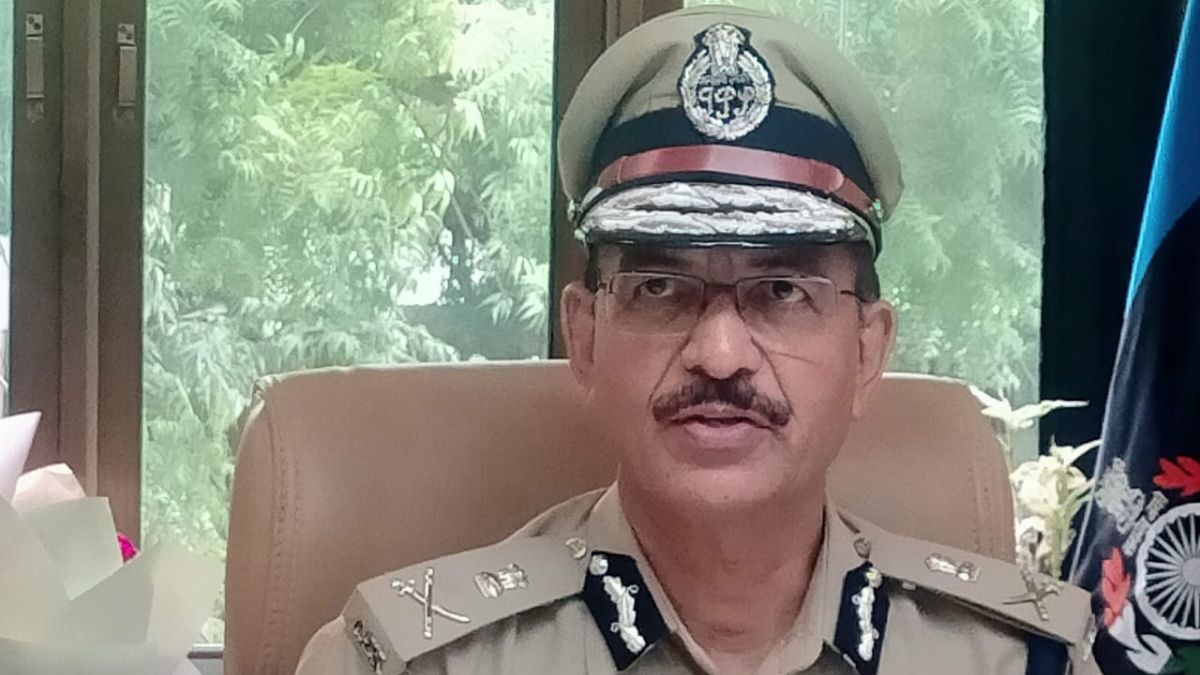
Gandhinagar | Gujarat — In a significant move aimed at making policing more accessible and citizen-friendly, Gujarat Director General of Police (DGP) G.S. Malik has directed all police officers across the state to dedicate two hours every day exclusively for hearing public grievances and complaints.
The landmark order seeks to ensure that citizens receive timely justice at the local level without having to travel to Gandhinagar, the DGP’s office, or other higher authorities to get their issues addressed.
The initiative comes as part of Gujarat Police’s broader citizen-centric approach being pursued under the leadership of Deputy Chief Minister and Home Minister Harsh Sanghavi. The objective is to strengthen accountability and improve the responsiveness of the police system across the state.
As per the directive, senior officers, including Police Commissioners, Joint Commissioners, Additional Commissioners, Deputy Commissioners, Assistant Commissioners and Superintendents of Police, must remain available in their offices every day from 12 noon to 2 pm to meet citizens and hear their complaints.
“Citizens should not be forced to run from office to office for justice. Their grievances must be heard and acted upon at the local level itself,” the order emphasizes.
Recognising the operational responsibilities of Police Inspectors during the morning hours, a separate public interaction schedule has been fixed for them. All Police Inspectors heading police stations must remain available from 4 pm to 6 pm daily to personally hear complaints, accept written applications and initiate legal action wherever required.
The DGP has also prescribed strict timelines for disposal of complaints. Cases involving economic offences, family disputes, medical negligence and corruption allegations must be resolved within six weeks, while other complaints should be disposed of within 15 days.
“Every complaint must be examined fairly, transparently and without delay,” Malik has instructed, stressing that FIRs should be registered immediately wherever a cognizable offence is disclosed during preliminary inquiry.
The order further mandates maintaining dedicated registers to record citizen representations, marking a major step towards transparency, accountability and people-friendly policing in Gujarat.