




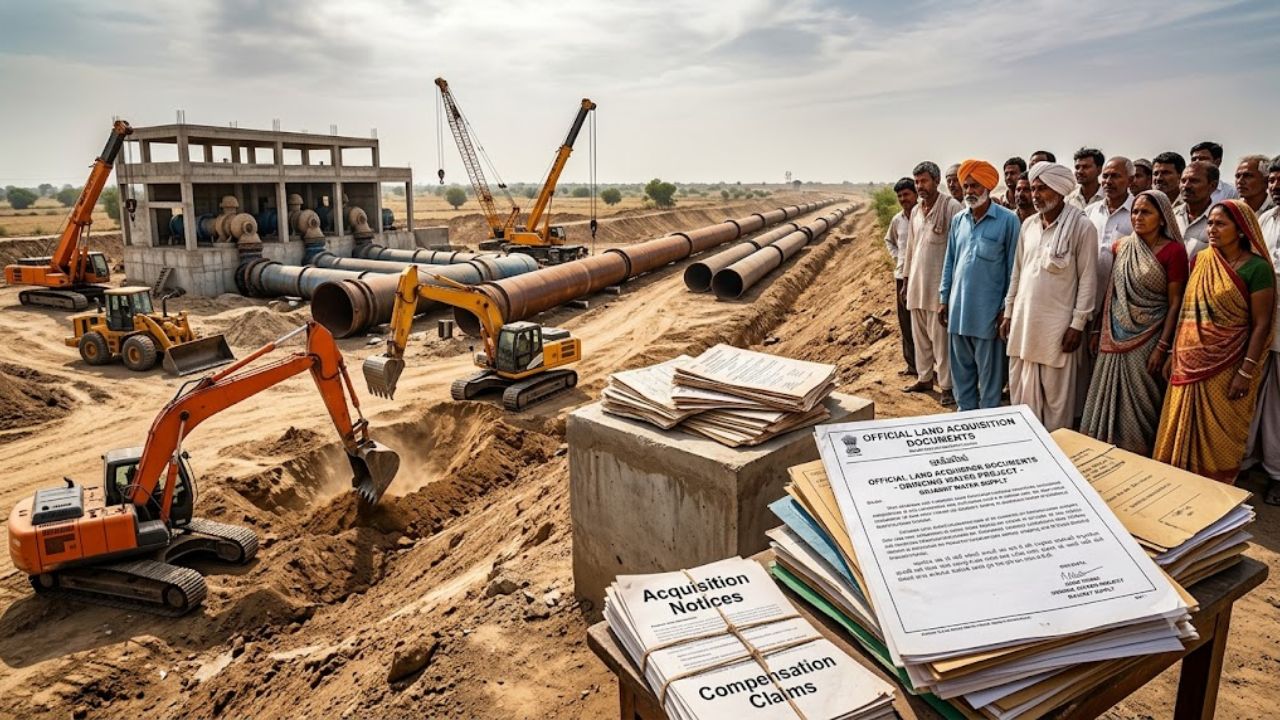
Gujarat : Rs.711 crore water project faces land acquisition questions
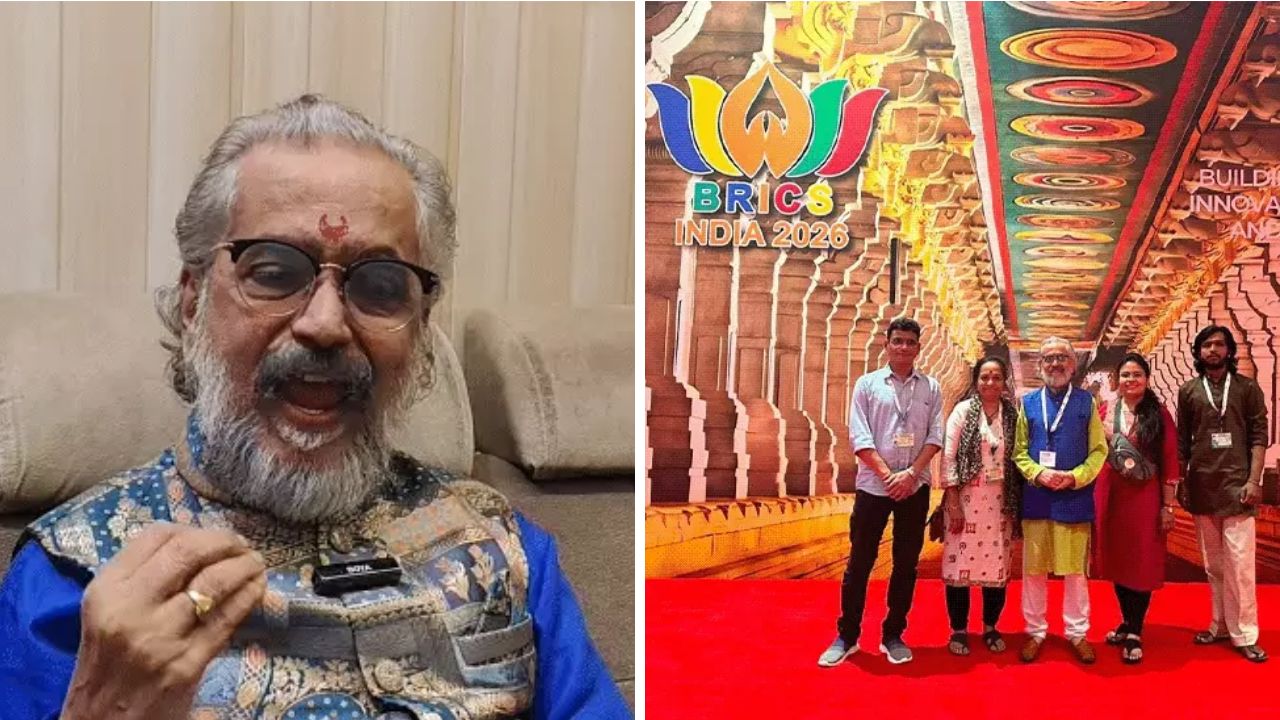
SURAT: A ₹711-crore drinking water project meant to benefit 51 villages in Umarpada taluka has come under a cloud of questions after former IAS officer Jagatsinh Vasava alleged that pumping station...

SURAT: A ₹711-crore drinking water project meant to benefit 51 villages in Umarpada taluka has come under a cloud of questions after former IAS officer Jagatsinh Vasava alleged that pumping station structures were constructed without completing the required land acquisition process.
Vasava has submitted a memorandum to the Mamlatdar, seeking a detailed inquiry into the Tapi-Karjan pipeline project and accountability for decisions related to land, construction and public expenditure.
The allegations raise a pointed question: How could major pumping stations be constructed on land whose legal acquisition was allegedly incomplete?
“If the required land acquisition was not completed, it needs to be established on what basis construction was undertaken and who approved the use of public funds for such work,” Vasava said in his representation.
The project was planned to provide drinking water to families across 51 villages in Umarpada. However, Vasava has demanded that authorities examine whether the land used for pumping station structures was legally acquired and whether all mandatory approvals were obtained before construction.
His memorandum seeks scrutiny of land records, ownership and rights, acquisition proceedings, construction permissions and expenditure incurred under the scheme.
“This is not merely a question of expenditure; it is also about ensuring that every stage of a major public project follows due process and that responsibility is fixed wherever irregularities are found,” Vasava said.
The former IAS officer has urged the Mamlatdar to conduct a comprehensive investigation and determine whether the construction and land acquisition processes complied with legal requirements.
The allegations remain subject to verification through an official inquiry. The outcome of the proposed investigation will determine whether any procedural violations occurred and whether responsibility needs to be fixed.