







Gujarat to Launch Rs.190-Crore SAMARTH Hub to Power India’s Semiconductor Future
GANDHINAGAR : Gujarat has taken another decisive step towards becoming India’s semiconductor powerhouse with the announcement of the Silicon and Advanced Semiconductor Manufacturing Research...

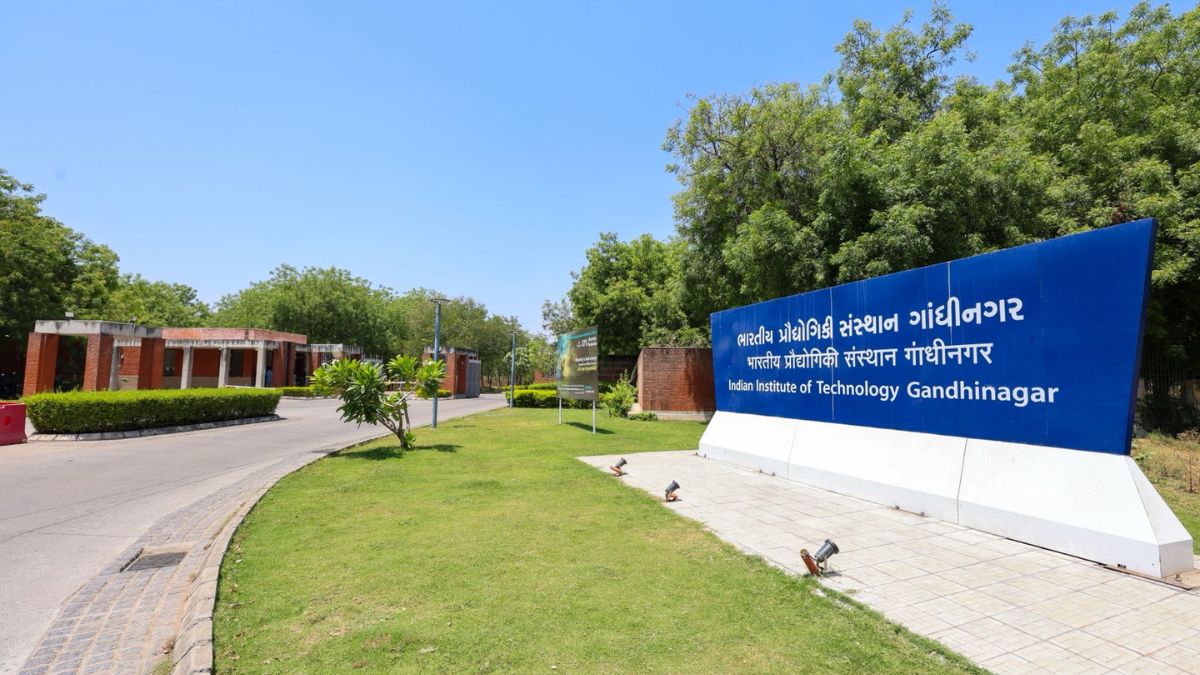
GANDHINAGAR : Gujarat has taken another decisive step towards becoming India’s semiconductor powerhouse with the announcement of the Silicon and Advanced Semiconductor Manufacturing Research and Training Hub (SAMARTH) at IIT Gandhinagar. Backed by a ₹190-crore investment, the state-of-the-art centre will focus on creating a highly skilled workforce, advancing cutting-edge research and supporting India’s ambition to become self-reliant in semiconductor manufacturing.
The initiative aligns with Prime Minister Narendra Modi’s vision of building a comprehensive semiconductor ecosystem and is being driven by the Gujarat government under the leadership of Chief Minister Bhupendra Patel. The funding has been jointly provided by the Ministry of Electronics and Information Technology (MeitY), the Gujarat Department of Science and Technology, and IIT Gandhinagar.
Construction activities are already underway, with IIT Gandhinagar initiating procurement of advanced equipment and appointing consultants for the project. Once operational, the centre will serve as a national hub for semiconductor research, innovation, workforce development and industry collaboration.
The primary objective of SAMARTH is to prepare engineering students to become “fab-ready” professionals equipped with practical skills required in semiconductor fabrication facilities. The centre will also provide advanced training to professors, technicians and industry professionals, while encouraging innovation and research that can translate into commercially viable intellectual property.
According to IIT Gandhinagar, the hub will collaborate with leading national and international institutions to create an integrated platform for research, skill development and industrial partnerships.
To widen its reach, IIT Gandhinagar is preparing to sign Memorandums of Understanding (MoUs) with engineering colleges across Gujarat. Students will receive specialised training at nominal fees through certificate programmes, vocational courses and short-term technical modules. Summer schools and awareness programmes will also introduce school and college students to career opportunities in the fast-growing semiconductor industry.
Over the next five years, SAMARTH is expected to directly train more than 10,000 individuals. This includes 5,600 undergraduate, postgraduate and PhD students, 1,500 technicians through vocational programmes, 1,000 participants through certificate courses, and 230 faculty members along with 230 industry professionals through advanced upskilling initiatives. More than 2,700 students will also participate in summer schools and exposure programmes.
The facility will feature world-class infrastructure, including nano-fabrication training laboratories, CMOS process technology facilities, semiconductor device characterisation labs, process and device modelling centres, and IC design and prototype laboratories. These facilities are expected to bridge the gap between academic learning and industry requirements while supporting advanced semiconductor research in India.
Highlighting the broader vision behind India’s semiconductor push, Prime Minister Narendra Modi said the country’s ambition extends far beyond setting up manufacturing plants.
“Our goal is not just to set up a factory, but to build a complete ecosystem. India is now focusing on the entire semiconductor value chain, from design engineers to machine builders and logistics. The announcement of India Semiconductor Mission 2.0 marks a major step in this direction.”