







The Monsoon Wake-Up Call: Building Cities That Can Withstand Tomorrow
Why Every Rainstorm Should Be a Lesson in Smarter Urban Planning Every year, the arrival of the monsoon is welcomed with hope. It brings relief from the scorching summer, replenisheswater resources,...

Why Every Rainstorm Should Be a Lesson in Smarter Urban Planning
Every year, the arrival of the monsoon is welcomed with hope. It brings relief from the scorching summer, replenisheswater resources, and supports agriculture across the country. Yet, alongside its many benefits, the monsoon alsoexposes the vulnerabilities of our rapidly growing cities.
Flooded roads, waterlogged neighborhoods, disrupted transportation, and damaged infrastructure have becomefamiliar scenes during every rainy season. These recurring challenges remind us that urban development is no longerjust about expanding cities—it is about preparing them to withstand the realities of a changing climate.
Urban Growth Must Keep Pace with Nature
Cities across India are expanding at an extraordinary rate. New residential communities, commercial districts,highways, and public infrastructure are transforming the urban landscape.
However, development cannot be measured only by the number of buildings we construct or the speed at which citiesgrow. It must also reflect how effectively our cities respond to natural events like heavy rainfall, flooding, and extreme weather.
When roads become rivers after a few hours of rain, it is not only a weather issue—it is a planning challenge.
Climate Resilience Should Be at the Core of Urban Development
Climate change is making weather patterns increasingly unpredictable. Heavy rainfall events are becoming morefrequent, while prolonged heatwaves continue to affect millions of people across India.
Urban planning must evolve to address these realities.
Drainage systems should be designed for future rainfall patterns rather than historical averages. Natural waterchannels should be preserved instead of being encroached upon. Wetlands, lakes, and urban forests must beprotected because they serve as natural buffers against flooding and help regulate local climates.
Cities that invest in resilience today will be better prepared for tomorrow.
Nature Is Not an Obstacle to Development
One of the biggest misconceptions in modern urban planning is that development and environmental conservation cannot coexist.
I believe the opposite is true.
Healthy ecosystems make cities stronger. Trees reduce urban temperatures, green spaces improve public health,wetlands absorb excess rainwater, and biodiversity contributes to long-term environmental stability.
Instead of replacing nature with concrete, we should integrate natural systems into the very foundation of urbandevelopment.
The most successful cities will be those that grow alongside nature rather than at its expense.
Infrastructure Should Anticipate Tomorrow’s Challenges
As populations continue to rise, urban infrastructure must be designed with long-term resilience in mind.
Sustainable drainage systems, rainwater harvesting, permeable pavements, climate-responsive architecture, efficientpublic transportation, and renewable energy solutions should become standard components of every development project.
Technology offers remarkable opportunities, but it works best when combined with thoughtful planning and environmental responsibility.
Building for today’s needs without considering tomorrow’s climate risks will only create greater challenges in the future.
Communities Are the Heart of Every City
Urban development is ultimately about improving people’s lives.
Residents should feel confident that their neighborhoods remain safe during heavy rains, accessible during emergencies, and comfortable throughout changing seasons.
Well-planned communities encourage healthier lifestyles, stronger social connections, and greater resilience duringnatural disasters. Public spaces, parks, open areas, and sustainable infrastructure all contribute to creating citiesthat people are proud to call home.
Development succeeds when it enhances both quality of life and environmental security.
A Shared Responsibility
Building climate-resilient cities cannot be achieved by governments alone.
Urban planners, architects, developers, businesses, environmental experts, and citizens all have a role to play in shaping sustainable communities.
Every decision—from preserving green cover to improving drainage infrastructure and promoting responsibleconstruction—contributes to creating cities that are better prepared for the future.
Collaboration remains the strongest foundation for sustainable urban development.
Looking Ahead
The monsoon reminds us each year that nature always has the final word. Rather than viewing extreme weather asan unexpected disruption, we should see it as an opportunity to rethink how our cities are planned and managed.
India has an incredible opportunity to build urban environments that are not only modern and economicallyvibrant but also environmentally resilient and prepared for future challenges.
In my view, the true success of urban development will not be measured by the height of our buildings, but by thestrength, resilience, and sustainability of the communities we create.
Author’s Perspective
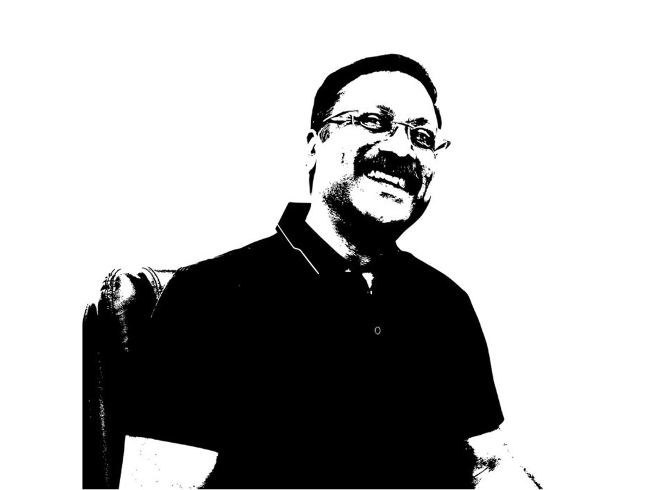
In this article, Sharat Nalamothu, Chairman and Managing Director of Forest Nation, Hyderabad; shares his perspective on the urgent need to reimagine urban development through climate resilience, sustainable infrastructure, and nature-based solutions to build stronger, future-ready communities.
For more details, please visit www.forestnation.in or call +91 99590 33999.