






Featured
IMTS
IMTS Institute Launches WILP Course Counselling: Transforming Work-Integrated Learning for Working Professionals in India
Elite Himmatnagar
Pride Hotels Limited Unveils Pride Elite Himmatnagar: A 51-Room Hotel with Premier Dining, Banquet Spaces & Amenities for all travellers
Energy
Powering Movement: How Energy Planning Is Shaping the Future of Indian Logistics
May 8, 2026
The Blunt Times The Blunt Times
  • National
  • City Events
  • Business Vibes
  • Education
  • Entertainment
  • Regional
    • Bharuch
    • Dang
    • Navsari
    • Surat
    • Valsad
    • Hindi
    • Gujarati
  • Health
  • Crime corner
  • Sports
  • Spotlight
Search the Site
Popular Searches:
Chatgpt Nasa Halloween
Recent Posts
QAD
QAD | Redzone Strengthens Global Engineering Ecosystem with New Pune Technology Hub
May 8, 2026
Steris Healthcare
Steris Healthcare Advances Digital Expansion with Hands-On Internship and Sales Innovation
May 8, 2026
Stanford Seed
Last Call: Applications for Stanford Seed Transformation Program in South Asia Close Soon
May 8, 2026
The Blunt Times The Blunt Times
  • National
  • City Events
  • Business Vibes
  • Education
  • Entertainment
  • Regional
    • Bharuch
    • Dang
    • Navsari
    • Surat
    • Valsad
    • Hindi
    • Gujarati
  • Health
  • Crime corner
  • Sports
  • Spotlight
Follow us
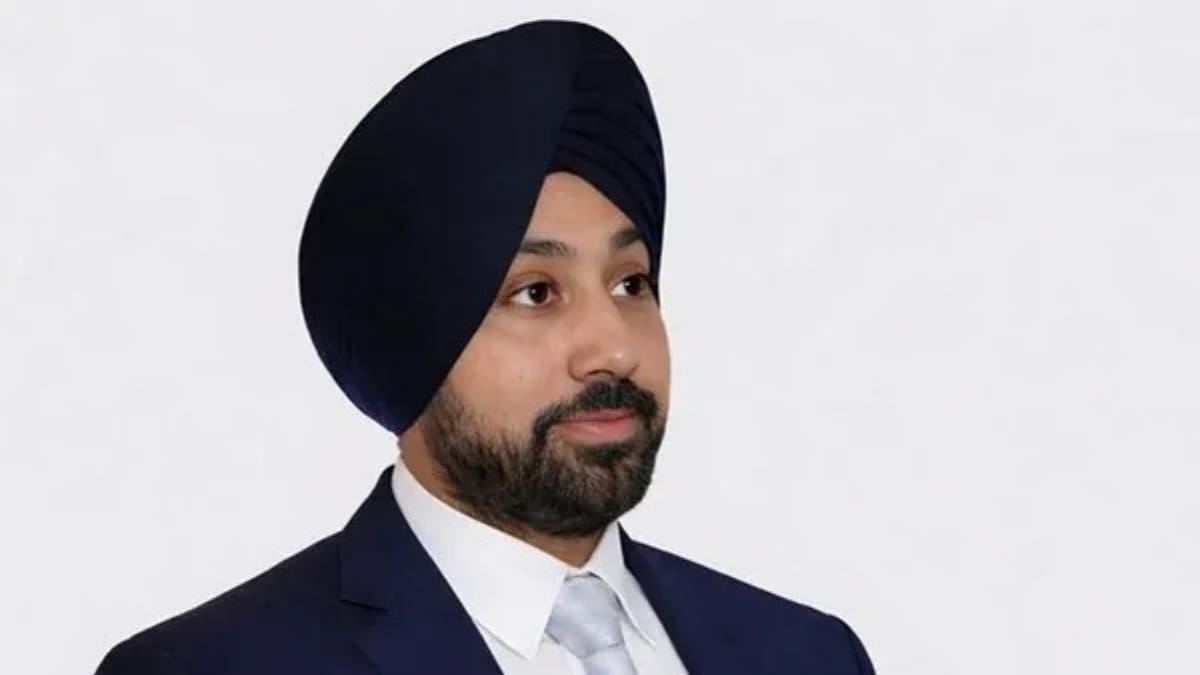
Jabraj Singh -PNn
Home/Lifestyle/Jabraj Singh on Building High-Capacity Power Transmission Networks for Solar Evacuation Across India’s Renewable Corridors
Lifestyle

Jabraj Singh on Building High-Capacity Power Transmission Networks for Solar Evacuation Across India’s Renewable Corridors

New Delhi [India], April 17: India’s renewable energy journey is entering a decisive phase, where the focus is no longer limited to adding solar capacity but ensuring that clean energy reaches demand...


TBT Online Desk
April 17, 2026 3 Min Read
New Delhi [India], April 17: India’s renewable energy journey is entering a decisive phase, where the focus is no longer limited to adding solar capacity but ensuring that clean energy reaches demand centers efficiently. As solar parks expand across regions such as Rajasthan, Gujarat, and Ladakh, the need for high-capacity power transmission networks has become increasingly critical. Jabraj Singh, a veteran in the field of power transmission, highlights that building strong solar evacuation infrastructure will determine how effectively India can harness its renewable potential. With India targeting 500 GW of non-fossil fuel capacity by 2030, transmission systems are emerging as the backbone of the country’s clean energy ambitions. “India’s renewable energy growth is no longer constrained by generation capacity alone. The real challenge lies in building high-capacity transmission networks that can evacuate solar power from remote renewable corridors to major demand centers. Without strong evacuation infrastructure, even the largest solar parks cannot deliver their full potential to the grid,” says Jabraj Singh, the expert. India has rapidly scaled solar installations in recent years, particularly in states such as Rajasthan and Gujarat, which offer vast land availability and high solar irradiance. Rajasthan’s Bhadla Solar Park, one of the world’s largest solar hubs, has become a symbol of India’s renewable ambitions. Similarly, Gujarat’s solar expansion in regions like Kutch and Dholera continues to strengthen India’s renewable capacity. Ladakh is also emerging as a key renewable energy hub, with large-scale solar projects planned to supply clean energy to northern demand centers. However, these generation hubs are often located far from consumption centers such as Delhi, Mumbai, and industrial clusters in northern and western India, making transmission infrastructure crucial. India is aggressively expanding its transmission network to support this shift. According to the Central Electricity Authority’s transmission planning for 500 GW of non-fossil capacity, India’s transmission network is expected to expand to nearly 6.48 lakh circuit kilometers by 2032. Transformer capacity is also projected to grow significantly to support renewable integration. These upgrades are designed to enable seamless evacuation of solar power from renewable-rich regions and strengthen grid stability. Major green transmission corridors are already being developed to address this need. Recently, power transmission projects worth ₹3,600 crore were inaugurated in Rajasthan to support renewable energy evacuation. These projects are designed to handle up to 20 GW of renewable capacity, significantly enhancing India’s ability to transport solar power from generation zones to load centers. Such initiatives are part of a broader strategy to develop dedicated renewable energy corridors that reduce congestion and improve grid reliability. Another significant development is the ±800 kV HVDC transmission corridor linking Bhadla in Rajasthan to Fatehpur in Uttar Pradesh. This 950-kilometre transmission project is designed to evacuate 6,000 MW of renewable energy, enabling solar power generated in remote desert regions to reach densely populated industrial and urban centers. High-capacity HVDC technology is increasingly being adopted in India to manage long-distance power transfer efficiently while minimizing transmission losses. Jabraj Singh notes that high-voltage transmission lines and advanced grid technologies are essential for managing the variability of solar energy. “Solar generation is inherently variable, which makes grid modernization and flexible transmission systems extremely important. High-voltage corridors and digital grid management solutions help ensure reliable power delivery even as renewable penetration increases,” he explains. Green Energy Corridor projects are also playing a major role in strengthening India’s renewable infrastructure. The first phase of the Green Energy Corridor has already been completed, while the second phase focuses on integrating around 20 GW of renewable energy from solar-rich states such as Rajasthan, Gujarat, and Tamil Nadu. These projects include high-capacity substations, transmission lines, and renewable energy management centers designed to handle fluctuations in solar generation. Despite strong progress, challenges remain. Land acquisition and right-of-way issues continue to slow transmission projects, particularly in remote and densely populated regions. Multi-agency approvals and equipment procurement delays also impact timelines. However, ongoing policy reforms and increased investment, estimated at over ₹2.4 lakh crore for transmission infrastructure, are expected to accelerate deployment in the coming years. Jabraj Singh believes that strengthening solar evacuation infrastructure will be critical for long-term energy security. “Transmission infrastructure is the bridge between renewable potential and actual energy delivery. Investing in high-capacity transmission today will ensure India’s renewable energy goals translate into reliable power for industries, cities, and rural communities alike,” he adds. As India accelerates toward its renewable energy targets, high-capacity transmission networks will play a defining role in shaping the country’s clean energy future. From green energy corridors and HVDC links to smart grid modernization, the focus is shifting toward building a resilient and flexible power transmission backbone. With leaders like Jabraj Singh emphasizing the importance of solar evacuation infrastructure, India’s renewable corridors are set to evolve into powerful engines of sustainable growth, grid reliability, and long-term energy security.

Tags:

Jabraj Singh

Share Article

REHAU
Previous Post

REHAU India Unveils New Brand Film Showcasing Its German Engineering Legacy and Presence Across Everyday Interiors

Akshaya Tritiya
Next Post

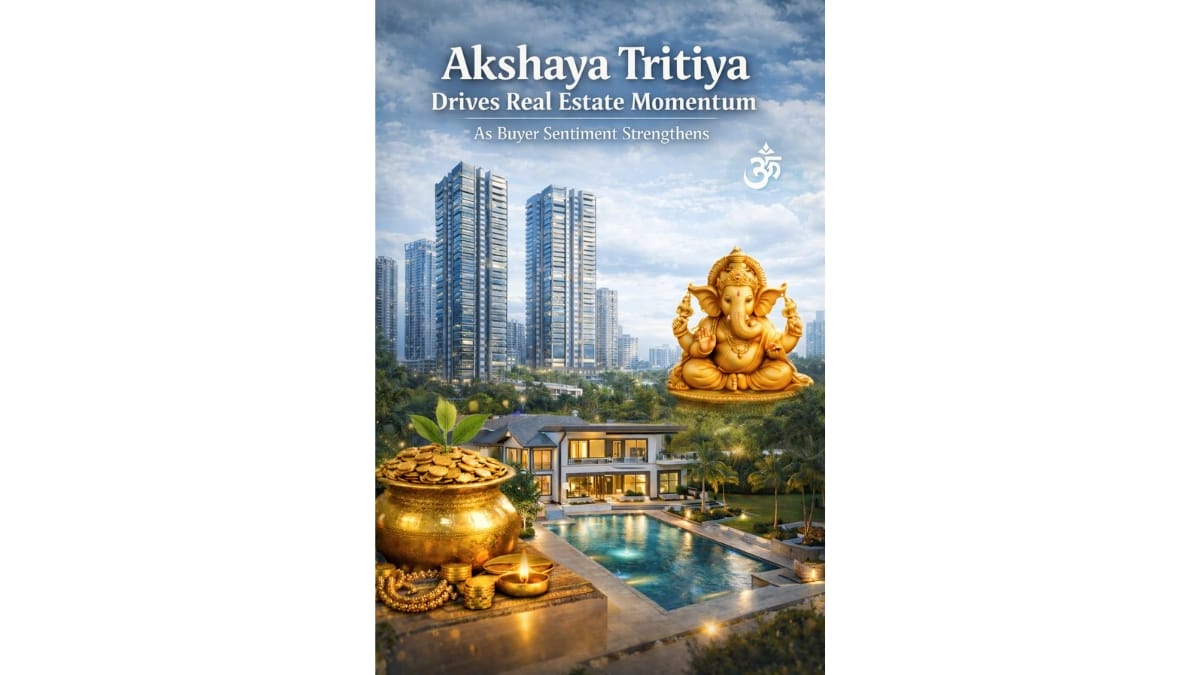
Akshaya Tritiya Drives Real Estate Momentum as Buyer Sentiment Strengthens

Picked
27 Years, 150 Plus Companies, No Layoffs, Multiplying Cash Velocity — Meet India’s Most Unusual Consultant Ravi Gilani-TBT
27 Years, 150 Plus Companies, No Layoffs, Multiplying Cash Velocity — Meet India’s Most Unusual Consultant Ravi Gilani
IMTS
IMTS Institute Launches WILP Course Counselling: Transforming Work-Integrated Learning for Working Professionals in India
Elite Himmatnagar
Pride Hotels Limited Unveils Pride Elite Himmatnagar: A 51-Room Hotel with Premier Dining, Banquet Spaces & Amenities for all travellers
Energy
Powering Movement: How Energy Planning Is Shaping the Future of Indian Logistics
Surat
EPR in Action: Surat Witnesses Large-Scale Clean-Up Led by Nirmal Vasundhara
BNI Ahmedabad to host Symposium 2026, bring together 10,000+ business leaders-PNN
BNI Ahmedabad to host Symposium 2026, bring together 10,000+ business leaders
Popular Posts
Surat
EPR in Action: Surat Witnesses Large-Scale Clean-Up Led by Nirmal Vasundhara
By TBT Online Desk
BNI Ahmedabad to host Symposium 2026, bring together 10,000+ business leaders-PNN
BNI Ahmedabad to host Symposium 2026, bring together 10,000+ business leaders
By TBT Online Desk
Ahmedabad student studies in tent 94 percent SSC result, the blunt times
House Demolished, But Not Dreams: Ahmedabad Girl Scores 94% in SSC
By Times News Network
Surat cow Rashtramata campaign, the blunt times
Surat Textile Traders Launch Blood Letter Campaign Demanding Cow Be Declared ‘Rashtramata’
By Times News Network
Interfaith marriage Gujarat High Court protest, the blunt times
Interfaith Marriage Registration Postponed Amid VHP Protest at Gujarat Court
By Times News Network
Plant
Top Benefits of Organic Liquid Potting Mixture for Faster Plant Growth & Increase Flower Bloom
By TBT Online Desk

Read Next

Energy
Lifestyle
Powering Movement: How Energy Planning Is Shaping the Future of Indian Logistics
May 7, 2026
5 Min Read
GIFT City Is Not a Tax Shelter. It Is a Tax Architecture. And the Difference Matters.-TBt
Lifestyle
GIFT City Is Not a Tax Shelter. It Is a Tax Architecture. And the Difference Matters.
May 7, 2026
6 Min Read
Rohan Khatau Explains the Growing Importance of Integrated Townships in India-TBT
Lifestyle
Rohan Khatau Explains the Growing Importance of Integrated Townships in India
May 7, 2026
2 Min Read
Dome SVP Stadium and Gatsvy Media Unveil The Bharat Music Experience 2026, Bringing India’s Entire Music Industry Under One Roof-TBT
Lifestyle
Dome SVP Stadium and Gatsvy Media Unveil The Bharat Music Experience 2026, Bringing India’s Entire Music Industry Under One Roof
May 6, 2026
3 Min Read
The Blunt Times

The Blunt Times is a 24-hour news portal from Surat and south Gujarat. It was launched by senior journalist Melvyn Thomas, who has over 21 years of experience working with the top news organizations such as The Indian Express, The Times of India, and The Economic Times.

Popular
27 Years, 150 Plus Companies, No Layoffs, Multiplying Cash Velocity — Meet India’s Most Unusual Consultant Ravi Gilani
May 7, 2026
IMTS Institute Launches WILP Course Counselling: Transforming Work-Integrated Learning for Working Professionals in India
May 7, 2026
Pride Hotels Limited Unveils Pride Elite Himmatnagar: A 51-Room Hotel with Premier Dining, Banquet Spaces & Amenities for all travellers
May 7, 2026
Powering Movement: How Energy Planning Is Shaping the Future of Indian Logistics
May 7, 2026
Categories
City Events
National
Business Vibes
Lifestyle
Spotlight
Regional
Education
Entertainment
Health
Press Release
Trending
Sports

© 2026 All Rights Reserved, The Blunt Times

  • Terms of Service
  • Privacy Policy