






From Bulk Manufacturing to Custom Printing: A Shift in Indian Commerce
India’s business and manufacturing environment is slowly moving away from long-standing methods of making things in large quantities. As markets become more fragmented and demand patterns are...

India’s business and manufacturing environment is slowly moving away from long-standing methods of making things in large quantities. As markets become more fragmented and demand patterns are less predictable, firms are reassessing how goods are created and dispersed from the start.
This transition reflects broader changes across the manufacturing industry. Digital commerce, shorter product life cycles, and rising consumer expectations are forcing businesses to adopt more flexible manufacturing methods that better align with real-time demand.
Challenges With Bulk Manufacturing
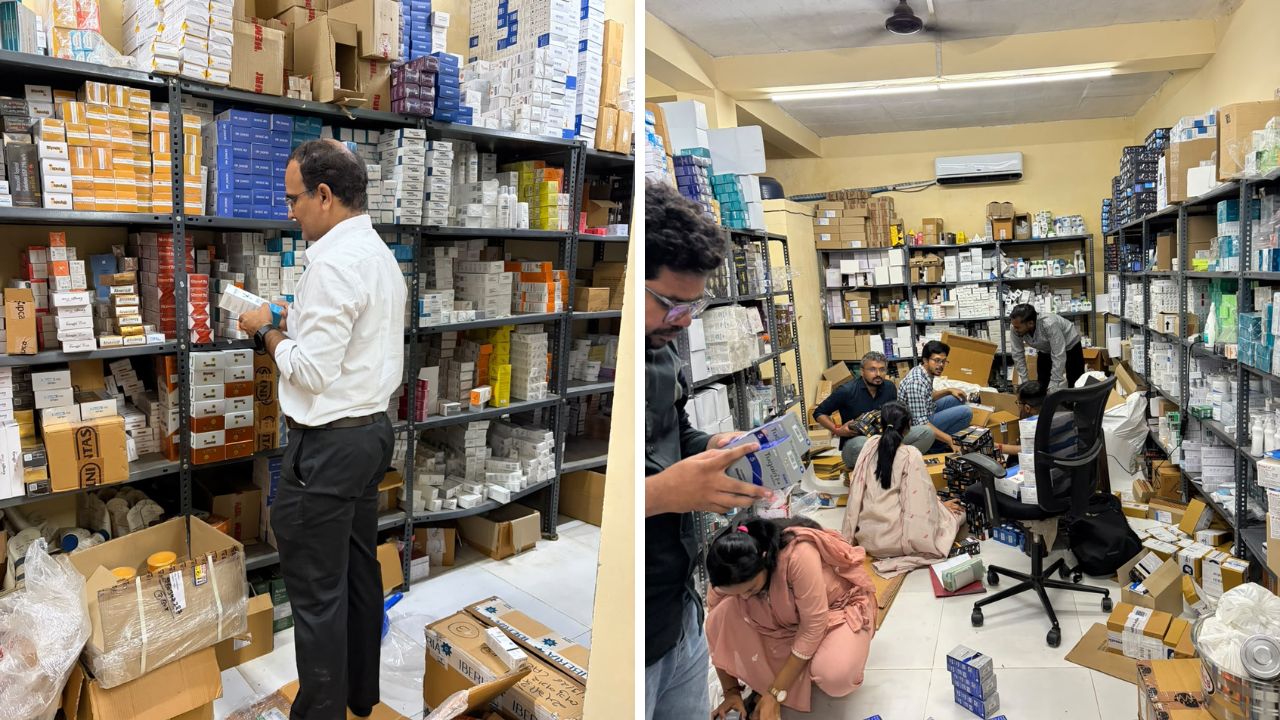
Bulk manufacturing has historically supported large-scale distribution and cost-efficient businesses in Indian commerce. Producing a higher volume of products allowed businesses to reduce unit costs and also meet nationwide demand. However, this model depends heavily on accurate forecasting.
In recent years, predicting the manufacturing volume has become increasingly difficult. Overstocking, delayed response and unsold inventory have been the toughest challenges to solve, particularly in consumer-facing industries such as apparel and merchandise.
The expansion of online retail has further exposed these limitations, which helps brands to operate in fast-moving environments where consumer preferences shift quickly, making long production cycles harder to justify.
Demand-Based Production
Due to the challenges arising from bulk manufacturing, many businesses are exploring demand-based production models. The Print on Demand (POD) business strategy allows things to be manufactured only when an order is placed, minimising over-reliance on massive inventory holdings.
Understanding how print on demand works has become relevant and a necessity for brands evaluating alternatives to volume-led manufacturing. The systematic process of a print-on-demand business entity typically integrates design, printing, order processing, and fulfilment into a connected workflow.
This approach enables brands to introduce new designs with lower risk and respond more quickly to market feedback. It is particularly suited to categories where demand fluctuates, and personalisation plays a growing role. These demand-based models help businesses balance operational efficiency with responsiveness, without the burden of excess stock.
Custom Printing and Production Structures
Custom printing is influencing how production structures are organised within Indian commerce. Instead of relying on extended manufacturing runs, businesses are aligning output with confirmed orders, changing how production, planning, and execution are approached.
This shift allows companies to operate with shorter production timelines and greater design flexibility. Product variations and limited releases can be introduced without requiring large-scale commitments. From an industry perspective, custom printing has encouraged closer coordination between design, manufacturing, and fulfilment functions.
Production workflows are increasingly shaped by order data rather than forecast-driven volumes. Market analysts believe that this structural change has created space for new forms of manufacturing support, particularly platforms capable of managing distributed printing and fulfilment operations efficiently.
Role of Print on Demand Platforms
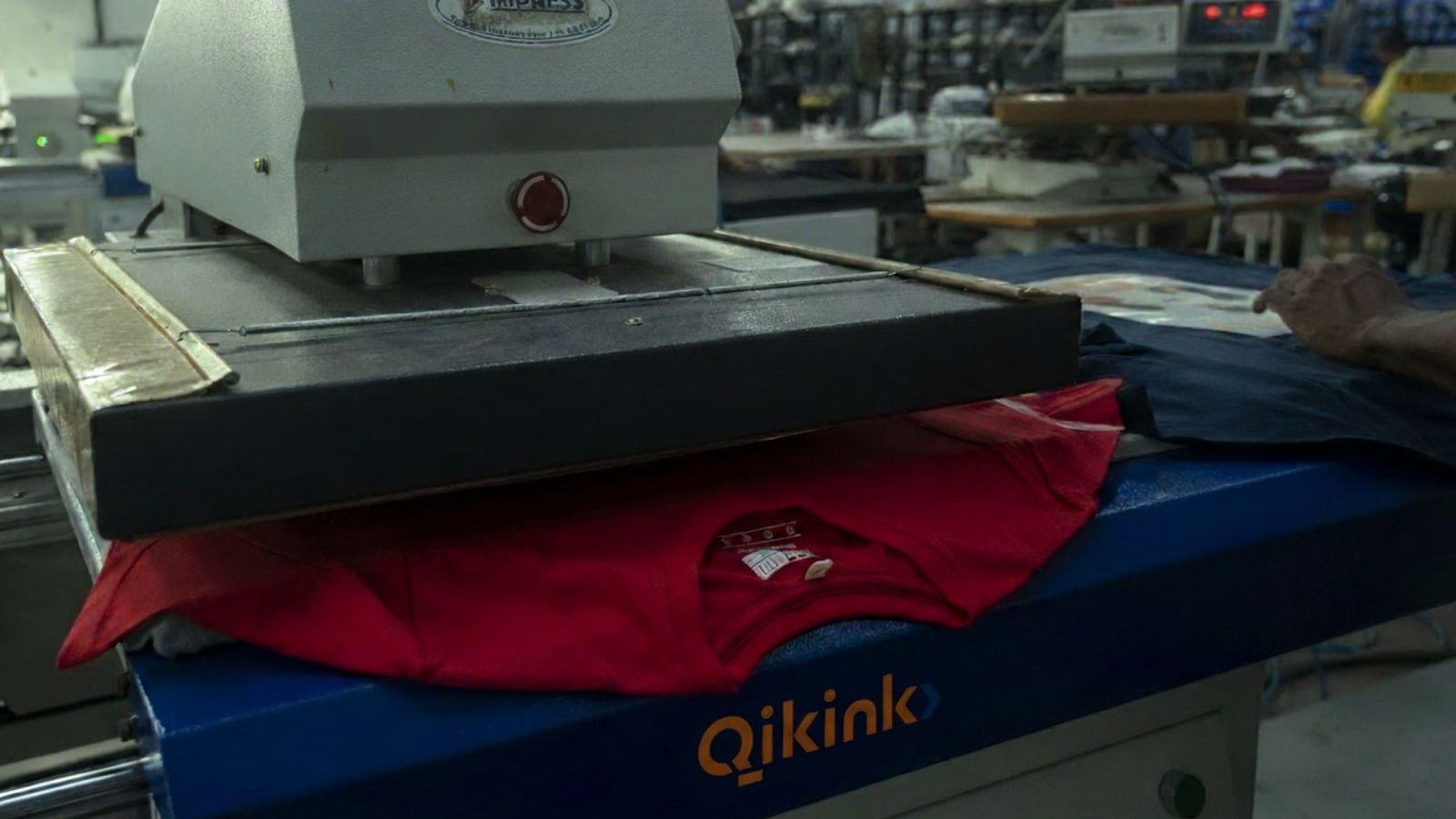
Within India’s evolving custom printing industry, print-on-demand platforms have played a key role in operationalising demand-led production at a larger scale. By integrating printing, order processing, and order fulfilment easily, the POD business model has helped brands reduce inventory exposure while maintaining consistency across production.
Qikink operates as India’s best print-on-demand and fulfilment platform in this industry. With a decade of experience, it has supported around 20,000 entrepreneurs to begin their own brand in this industry. From emerging online sellers to established brands, Qikink enables and helps them with streamlined production and logistics workflows.
The platform has also facilitated large volumes of on-demand orders across multiple product categories, reflecting growing adoption of flexible manufacturing models within the market. It highlights how print-on-demand works & infrastructure has grown beyond experimentation into a functional component of modern commerce.
Industry observers suggest that the transition from bulk manufacturing to custom printing signals a longer-term structural shift. As demand patterns continue to evolve, production methods that prioritise alignment with real-time consumption are expected to play an increasingly important role in shaping the Indian commerce.