




Beyond diamonds ; Surat leads India’s zero-waste urban revolution
Surat | Gujarat — Surat city, once known mainly for its diamond and textile industries, is now emerging as a national leader in environmental conservation and scientific waste management. The city is...

Surat | Gujarat — Surat city, once known mainly for its diamond and textile industries, is now emerging as a national leader in environmental conservation and scientific waste management. The city is steadily shaping an identity that goes beyond being the ‘Diamond City’, aiming to become a ‘Zero Waste City’. As part of the ‘Urban Development Year’ declared by the state government, Surat Municipal Corporation has given priority to ‘Green Growth’ while advancing modern urban infrastructure.
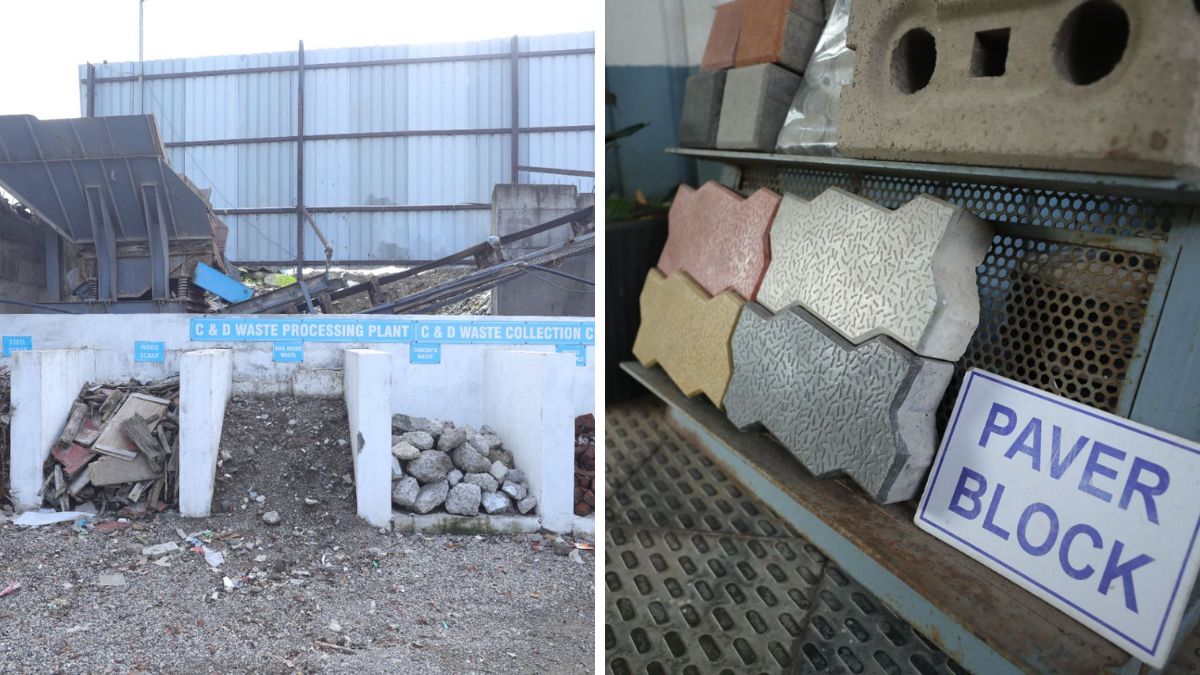
As the city continues to develop rapidly, Surat is also leading nationwide in environmental responsibility. Over the next two years, the Surat Municipal Corporation (SMC) has set a target to achieve 100% recycling of construction and demolition (C&D) waste generated in the city. A structured system is being put in place to ensure that construction waste is diverted directly to the planned site or to the plants, where it will be recycled and reused. SMC has established a Construction and Demolition (C&D) Waste Recycling Plant to scientifically collect, process, and reuse construction and demolition waste generated across the city. This initiative has emerged as a model for cities across India, while contributing to urban cleanliness, environmental protection, and the conservation of natural resources.
By achieving 100% recycling of construction waste, Surat’s initiative goes beyond cleanliness and reflects a strong commitment to environmental responsibility. The recycling process helps reduce CO₂ emissions of approximately over 500 tons every year, equivalent to saving 2,50,000 kg of coal. It has also reduced dependence on natural resources such as stone and sand. Surat has once again maintained its reputation as one of India’s cleanest cities by securing the highest score nationwide in Swachh Survey-2024, consistently leading in the Super Swachh League with sustained efforts towards zero waste management. Under SMC guidance, and with the support of the State and Central Governments, waste is being recycled and managed through scientific systems. A dedicated Construction and Demolition (C&D) Waste Recycling Plant has been established to convert construction and demolition waste into useful products.
A 300 MT-per-day plant, at Kosad, operates under the Public Participation (PPP) model. At present, around 80 metric tons of demolition waste is recycled daily. C&D waste is turned into paver blocks, while other construction waste is processed into high-quality products. In Clean City Surat, demolition waste is no longer merely waste; it has become a valuable resource. SMC has introduced Clean Construction Guidelines, allowing citizens to register for construction waste collection from their homes via e-governance. In a path-breaking move, the Corporation has made it mandatory for government tenders to use up to 20% recycled material produced at the city’s recycling plant. This policy not only boosts the market for recycled products but also strengthens the circular economy. The Clean Construction Guidelines are playing a key role in reducing air pollution in the city. Smart monitoring has reduced citizen complaints, while mandatory use of tarps, shades, sprinklers for dust control, and green nets at construction sites is making Surat cleaner, safer, and more livable.
Since the Kosad plant became operational in 2018, SMC has steadily strengthened its collection system, gradually increasing the amount of solid construction and demolition waste gathered each year. The city collected 65,746 metric tons in 2018-19, 37,457 metric tons in 2019-20, 10,614 metric tons in 2020-21, 23,315 metric tons in 2021-22, 41,451 metric tons in 2022-23, 49,381 metric tons in 2023-24 and 58,106 metric tons in 2024-25. Instead of being sent to dumping sites, this waste is collected and recycled. At the plant, materials such as bricks, concrete, and iron pieces are scientifically processed to make them reusable. This process produces high-quality outputs, including crushed aggregates, recycled sand, paver blocks, and concrete bricks.