




Gujarat Dy CM Steps In as Surat Diamond Bourse Struggles to Find Occupants
Surat | Gujarat — The Gujarat government’s ambitious ₹3,500-crore Surat Diamond Bourse (SDB), envisioned as the world’s largest diamond trading hub, is facing an uncertain future, forcing Deputy...

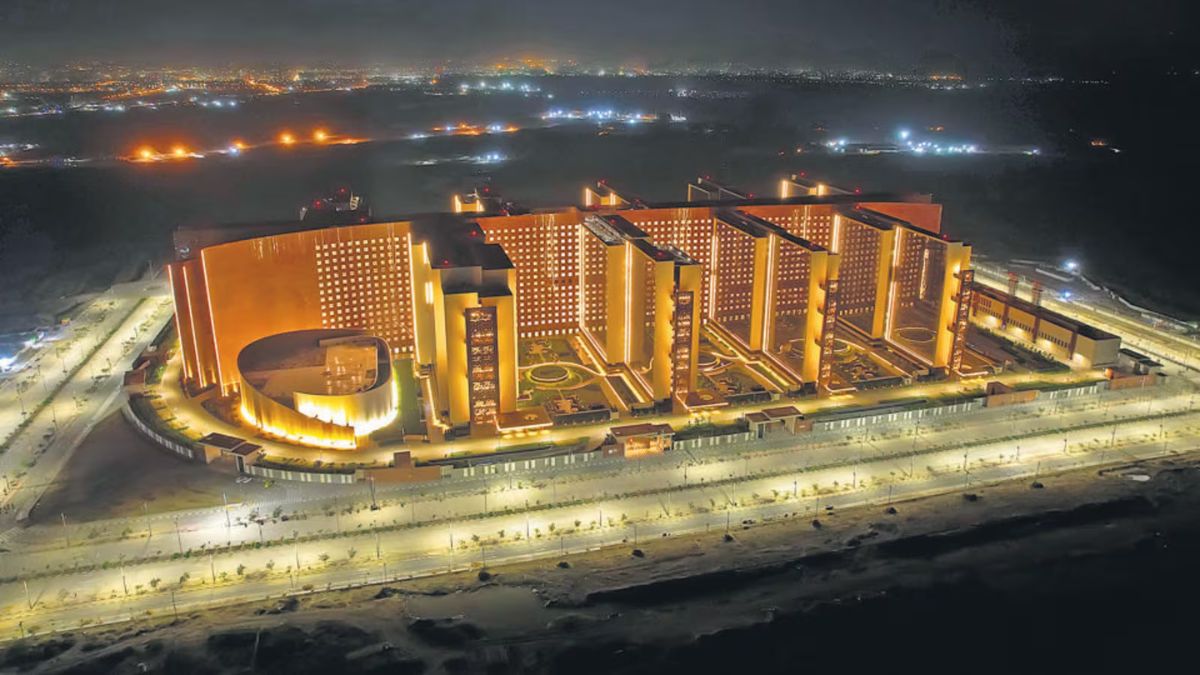
Surat | Gujarat — The Gujarat government’s ambitious ₹3,500-crore Surat Diamond Bourse (SDB), envisioned as the world’s largest diamond trading hub, is facing an uncertain future, forcing Deputy Chief Minister Harsh Sanghvi to step in to ensure that the massive complex is occupied at the earliest. Once projected as a game-changer for Surat’s diamond economy, the SDB today risks being labelled a “white elephant” amid prolonged industry slowdown and adverse global developments.
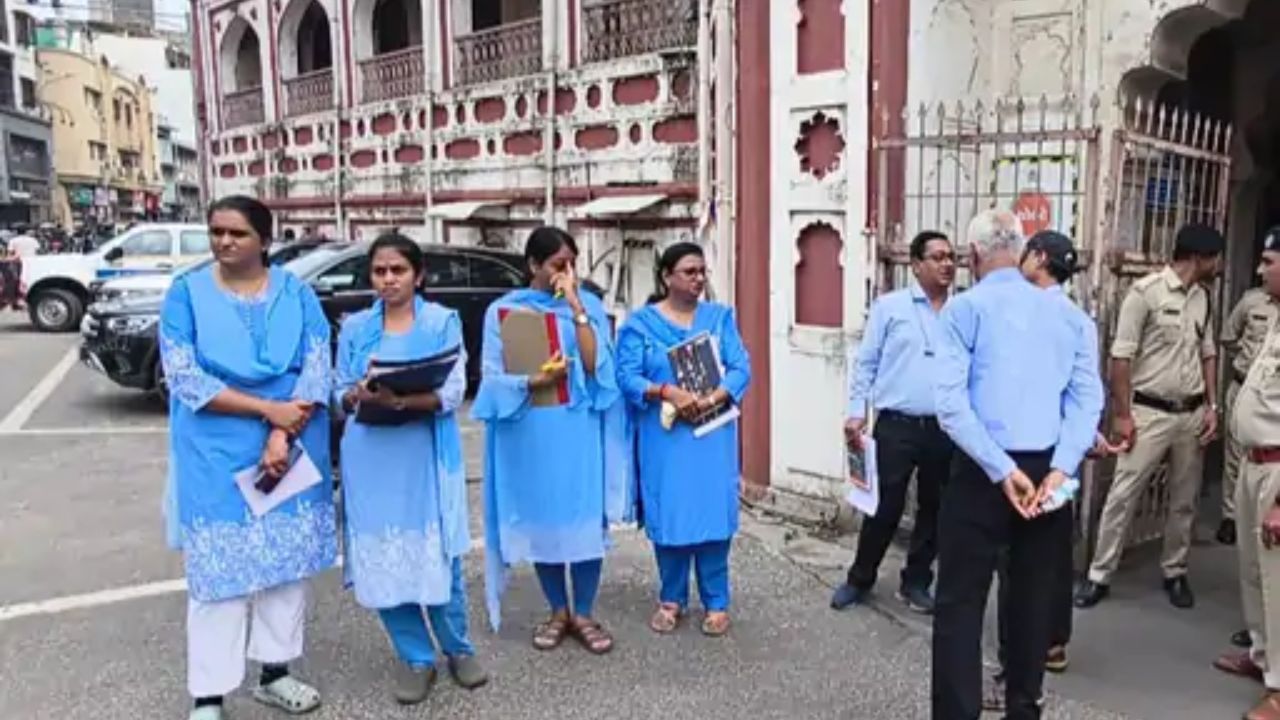
The Diamond Bourse was expected to witness the opening of a large number of offices on Vasant Panchami, a date considered auspicious by the trading community. However, due to weak market sentiment and declining demand, that plan has been pushed back yet again. In a fresh attempt to kickstart activity, a meeting was held with Mahidharpura-based diamond traders in the presence of Deputy Chief Minister Harsh Sanghvi, where traders were urged to commence operations from the SDB starting February 18.
Traders will close their offices at Mahidharpura Diamond Market and start diamond trading at the offices in the SDB. On February 18, traders will close their offices at Mahidharpura and start working at the SDB, which will benefit small traders and brokers the most. Harsh Sanghvi said that small traders and brokers will get the most benefit of working in a single complex and the Diamond Market will become an inspiring center for traders from all over the world.
The discussion is that traders from Varachha Mini Bazaar, Choksi Bazaar, Katargam Nandu Doshini Wadi area are ready to shift to Surat Diamond Bourse. But the Jain traders from Palanpur, Deesa, Dhanera, who dominate the Mahidharpura Diamond Bazaar, have not shown much enthusiasm. Industries Minister Harsh Sanghvi and Arvind Ajbani, Ashesh Doshi have taken up the task of convincing them. Branches of nationalized and private banks were closed from the SDB campus. Amul parlors and Sumul brand restaurants were also closed.
Senior officials associated with the project said the leadership is making continuous efforts to bring life to the massive complex. “The government has invested heavily in world-class infrastructure. It is important that traders shift operations so that the ecosystem can function,” a senior committee member said after the meeting.
However, the timing could not be worse for the diamond industry. The sector has been facing a slowdown for nearly three years, largely due to global economic uncertainty triggered by the Russia–Ukraine war. Disruptions in supply chains, reduced discretionary spending in key markets and cautious buying have severely dented diamond trading volumes.
Adding to the industry’s woes, the United States imposed a steep 50% tariff on Indian diamonds and jewellery in August last year. The US remains one of the largest markets for Indian diamond exports, and the tariff has significantly impacted orders, margins and overall confidence among traders. “With such high tariffs, exports have taken a hit. There is hardly any fresh buying, so traders are reluctant to open new offices,” said a Surat-based diamond merchant.
Industry insiders point out that even if offices are opened at the SDB, the chances of active trading remain slim under current conditions. “Opening an office involves fixed costs—rent, staff, utilities. When trading volumes are low and buyers are absent, it becomes a risky proposition,” another trader explained.
The Surat Diamond Bourse, spread over a massive campus and built to rival global bourses, was meant to consolidate thousands of diamond offices under one roof, boosting efficiency and international visibility. Instead, large sections of the complex remain vacant months after its formal inauguration.