






Gujarat HC Ends Court Fee Exemptions for Waqf Trusts, Rejects 150 Pleas
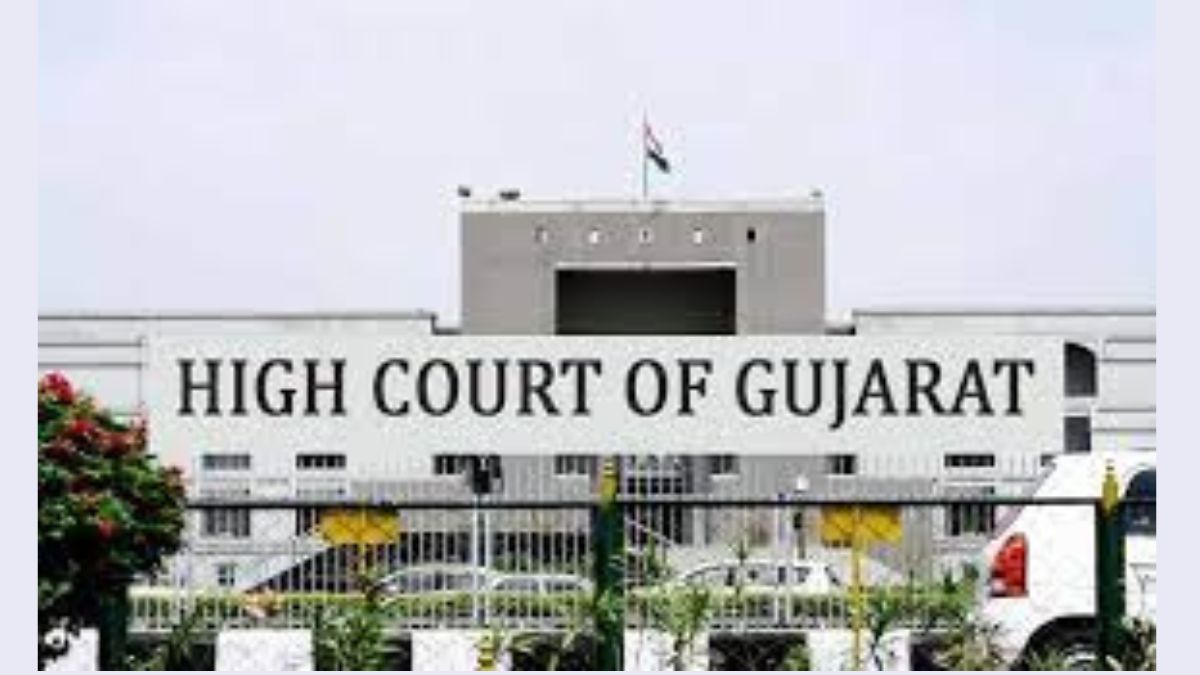
Ahmedabad | Gujarat — The Gujarat High Court has rejected approximately 150 requests from Waqf Trustees for exemptions from court fees. Waqf institutions are now required to pay court fees before...

Ahmedabad | Gujarat — The Gujarat High Court has rejected approximately 150 requests from Waqf Trustees for exemptions from court fees. Waqf institutions are now required to pay court fees before they can approach the tribunal.
Government attorney G.H. Virk, representing the state government and the Gujarat State Waqf Board, contended that if any entity such as a Hindu temple trust, charitable organization, co-operative society, or private business is required to pay court fees to seek justice, then Waqf institutions should also be obligated to pay court fees, and no special exemptions should be afforded to them.
The court has also rejected the applications from organizations such as the Sunni Muslim Idgah Masjid Trust, Vadodara City Masjid Sabha Trust, and the Sarkhej Roza Committee of Ahmedabad.
The trusts contested the Waqf Tribunal’s directive to settle court fees prior to the hearing. However, the High Court emphasized that no party is exempt from the established legal procedures, and Waqf institutions will now be regarded similarly to other trusts and religious organizations concerning court costs.
150 petitions submitted seeking a reduction in court fees
Up until now, Waqf institutions have been able to benefit from certain legal provisions that allow for a reduction in court fees. Muslim Waqfs will now be treated equally alongside other religious trusts and charitable organizations.
In a significant update, it has become essential for Wakfos to remit the required court fee in order to engage in the judicial process. The court has dismissed all 150 pending applications seeking a reduction in fixed court fees, deeming them unfounded.
For many years, numerous Waqf administrators, ranging from small dargahs to large mosque boards, believed that lawsuits related to Waqf were exempt from court fees due to the absence of explicit references to such fees in the old Waqf law.
This belief has now been overturned. Approximately 150 applications were dismissed, encompassing rent disputes, possession disputes, and rightful residence issues related to significant Waqf properties throughout the state. The dismissals occurred because the applicants failed to pay the court fees required by the tribunal.
This marks a groundbreaking ruling in the nation’s history – Harsh Sanghvi
Harsh Sanghvi announced that the Gujarat High Court has delivered a landmark ruling. All the faiths in the nation are equivalent. The Gujarat High Court has delivered a ruling aimed at ensuring equal rights for all citizens.
Under the Congress administration, a Waqf Bill was introduced primarily for the sake of political gain. This legislation stipulated that if a temple, gurudwara, or any religious site engaged in a tribunal case, it was required to pay a court fee, whereas no such fee was imposed on Waqf properties. A significant ruling has been delivered today. A decision has been made to cover court fees for 150 Waqf properties. This marks a significant milestone in the nation’s history.
This decision arrives amid extensive dialogue occurring nationwide about the governance and management of Waqf properties. Earlier this year, Parliament enacted the Waqf (Amendment) Act, 2025 — a contentious piece of legislation designed to update the management of waqf lands and properties, sparking a mix of support and opposition nationwide.
Advocates argue that these modifications are essential for enhancing clarity and reinforcing governance. Officials have characterized this ruling from the High Court as a significant advancement in promoting fairness within the legal system and addressing a persistent discrepancy in legal proceedings.