



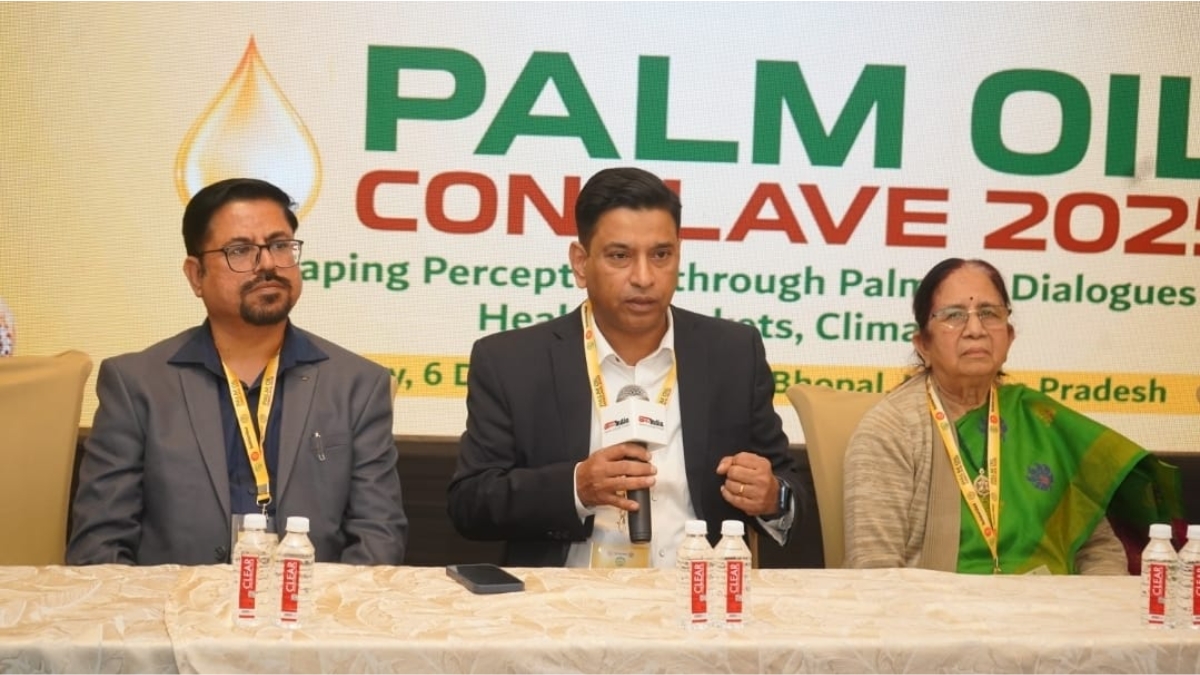
Palm Oil Conclave 2025 Calls for Science-Based Narrative to Debunk Myths in India
The Palm Oil Conclave 2025, organised by the Asian Palm Oil Alliance (APOA), Solidaridad, and The Solvent Extractors’ Association of India (SEA), concluded in Bhopal with a strong, evidence-backed...

Bhopal (Madhya Pradesh) [India], December 8: The Palm Oil Conclave 2025, organised by the Asian Palm Oil Alliance (APOA), Solidaridad, and The Solvent Extractors’ Association of India (SEA), concluded in Bhopal with a strong, evidence-backed appeal to dispel long-held myths surrounding palm oil. The event emphasized the need for a balanced national perspective on health, market dynamics, and sustainability.
Held under the theme “Reshaping Perceptions through Palm Oil Dialogues – Health, Markets, Climate,” the Conclave brought together over 200 experts from nutrition, medicine, FMCG, food processing, journalism, academia, industry, and consumer sectors. The key takeaway from the day-long deliberations was the urgent need for science-based communication and fact-driven public understanding of palm oil in India.
Delivering the welcome address, Atul Chaturvedi, Chairman, APOA, stressed the need for India to reclaim the discourse on palm oil “India has long been influenced by external narratives, many of which do not reflect our realities or our needs. Today’s deliberations show that India is ready to steer its own informed direction—grounded in facts, transparency, and collaboration. This Conclave has brought clarity at a time when consumer trust is essential.”
Dr. Shatadru Chattopadhayay, Managing Director, Solidaridad Asia, emphasised the role of science in shaping balanced public perception “Palm oil has suffered from fragmented and often misleading information. Through dialogues like these, backed by the India Palm Oil Sustainability (IPOS) framework, we are building a resilient, responsible supply chain that benefits farmers and protects the environment. Today’s discussions reaffirmed that sustainability and growth must move together.”
Health and nutrition experts from the National Institute of Nutrition, medical academia, and public health departments debunked widespread misconceptions around palm oil, highlighting its fatty acid profile, safe use in Indian diets, and importance in food security. Senior journalist Mrityunjay Kumar Jha, put forth clear, science-backed answers to concerns frequently raised by consumers and the media.
“As someone working at the intersection of science, policy, and regional collaboration, I see palm oil not just as a commodity but as a strategic solution for India’s food and nutrition security. The evidence is clear—palm oil contains essential vitamins, balanced fatty acids, and is one of the most efficient crops globally. It is time we replace myths with meaningful, research-driven conversations.”- Said Dr. Suresh Motwani, Secretary General, Asian Palm Oil Alliance.
“The Palm Oil Conclave 2025 comes at a pivotal moment when there continues to be an increased consumer focus on health and sustainability. As the citizens priorities health and improved nutrition, it is crucial that we come together and build a shared understanding and direction. This conclave provides a platform for open dialogue, practical solutions, and stronger collaboration to create a more resilient and responsible palm oil ecosystem for India.”- Sougata Niyogi, CEO, Oil Palm Business, Godrej Agrovet Ltd.
B.V. Mehta, Executive Director of the Solvent Extractors’ Association of India, highlighted that “Atma Nirbhar Bharat begins in our fields. When we empower farmers with better seeds, scientific knowledge, fair markets, and modern processing systems, India naturally moves toward self-reliance in edible oils. The potential is enormous—we only need to harness it with commitment and consistency.”
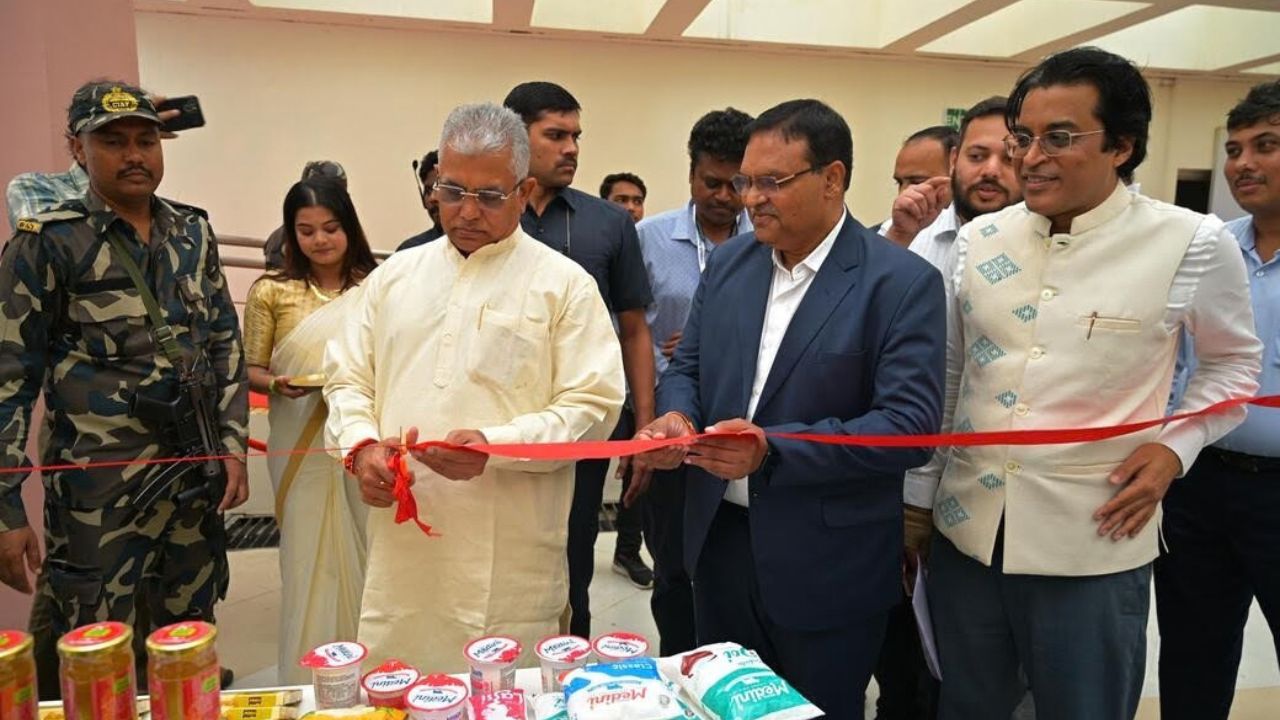
The Palm Oil Conclave featured a vibrant exhibition showcasing a wide range of palm oil–based products all under one roof. From everyday edible items to innovative value-added products, the display highlighted the versatility and economic relevance of palm oil in India’s food ecosystem. The exhibition drew thousands of visitors, including industry experts, students, entrepreneurs, and consumers, making it one of the most engaging and informative attractions of the conclave.
A significant highlight was the launch of the book “Oil Palm Statistics in India: Trends and Insights,” offering a comprehensive overview of production trends, global comparisons, policies, and future pathways for India’s oil palm sector. Solidaridad presented key findings from its climate-smart agriculture interventions, demonstrating how farmer-centric innovations—from weather advisories to soil health restoration—are helping future-proof India’s palm oil landscapes.
Special video messages from Prof. Rattan Lal, World Food Prize Laureate, and Ms. Izzana Salleh, Secretary General of the Council of Palm Oil Producing Countries (CPOPC), reinforced the importance of sustainability, soil stewardship, and international cooperation.