






Gujarat Govt Increases Working Hours to 12, Sparks Outrage Among Labour Unions
Ahmedabad | Gujarat — In a move that has triggered a storm of protests across the state, the Gujarat government has issued an ordinance extending factory working hours from 9 to 12 hours daily,...

Ahmedabad | Gujarat — In a move that has triggered a storm of protests across the state, the Gujarat government has issued an ordinance extending factory working hours from 9 to 12 hours daily, effective from July 1, 2025. The change, which directly affects nearly 2 crore workers, has been justified by the government as a response to an “extraordinary situation of national importance” aimed at boosting economic activity and employment.
But labour unions and rights groups are calling the ordinance “unconstitutional,” “anti-worker,” and a blatant attempt to appease industrial lobbies at the cost of workers’ health, safety, and livelihoods.
“The government has brought this ordinance only under pressure from industrialists and corporates, not to protect workers,” said Jayanti Panchal, General Secretary of the Gujarat Mazdoor Panchayat and State President of the Hind Mazdoor Sabha.
Panchal pointed to the International Labour Organization (ILO) principle adopted in 1919, which defined a balanced day as “8 hours of work, 8 hours of rest, and 8 hours of social life.” He warned that by extending working hours, the Gujarat government was rolling back a century of labour rights.
“This move will not create jobs; it will destroy them. With 12-hour shifts, factories will run two shifts instead of three, leaving thousands unemployed,” he added.
Women’s Safety and Health Concerns
The ordinance also allows women to work night shifts, raising alarms about their safety. Labour lawyers argue that the government has failed to address security, health checks, and workplace monitoring, leaving women vulnerable in industries that operate round-the-clock.
Advocate R.V. Vora, who specializes in labour law, said, “Even today, nearly 50% of factory inspector posts are vacant. Complaints are not resolved for months. If safety mechanisms are already weak, how can workers be expected to manage 12-hour shifts in hazardous industries like chemicals?”
Workers’ Organizations Unite
The ordinance has brought together nearly all major trade unions in Gujarat, including INTUC, ITUC, CITU, SEWA, AICCTU, and AICTU. A joint meeting was held where unions vowed to challenge the ordinance in the High Court.
“Even the Bharatiya Mazdoor Sangh (BMS), linked to the RSS, is internally opposing this move, though not openly because of its political connections,” revealed a union leader.
This is not the first time Gujarat has attempted such a measure. In 2020, a similar notification was issued but was struck down by the Supreme Court, which called it unconstitutional and a violation of workers’ fundamental rights.
Economic Development or Worker Exploitation?
The government insists the ordinance will boost productivity and ease of doing business. The Maharashtra government recently made a similar move. But critics argue the policy could backfire, as overworked employees face declining health, reduced productivity, and shorter life expectancy.
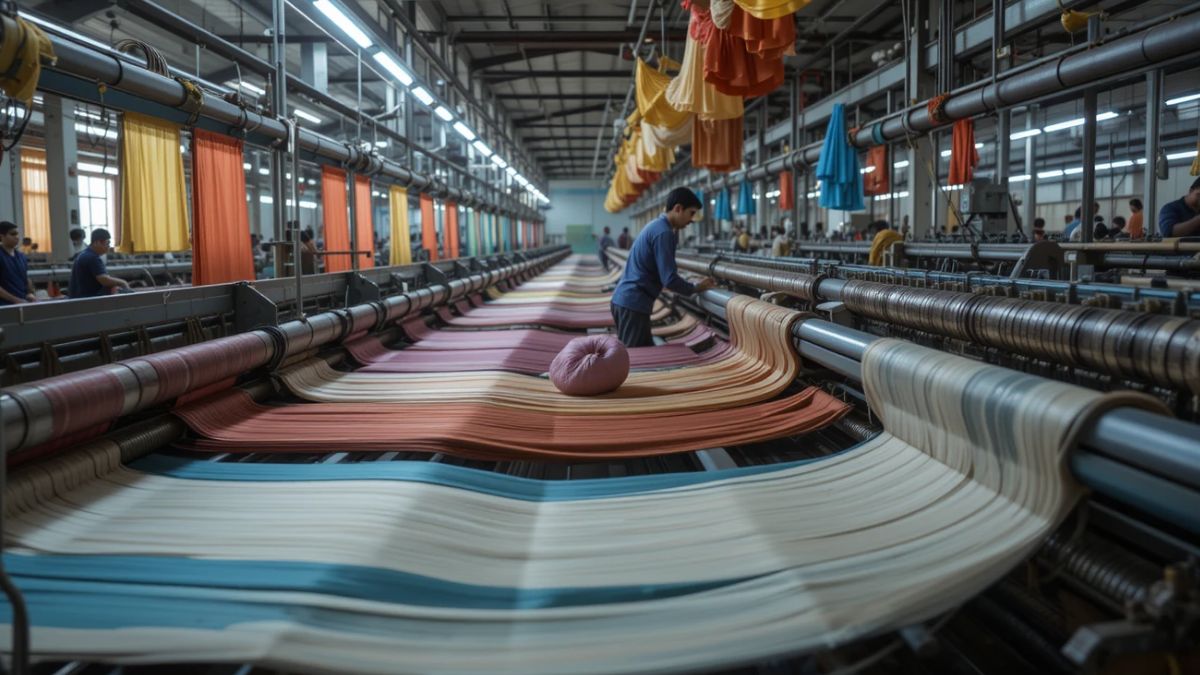
“On paper, wages remain the same, but the burden on workers will double. How can a worker in a chemical factory or textile mill endure 12 hours of continuous labour? This is a human rights issue, not just a labour law issue,” said Panchal.
With over 2 crore workers at risk, the controversy is set to escalate both on the streets and in the courts. Unions are preparing to launch statewide protests, while petitions challenging the ordinance’s legality are expected to be filed in the Gujarat High Court soon.