







U.S. Tariffs Choke Indian Textile Exports, Industry Braces for $5 Billion Hit
Surat | Gujarat — India’s multi-billion-dollar textile and apparel industry is reeling from a severe blow as new U.S. tariffs have brought shipments to a grinding halt, threatening to unravel a...

Surat | Gujarat — India’s multi-billion-dollar textile and apparel industry is reeling from a severe blow as new U.S. tariffs have brought shipments to a grinding halt, threatening to unravel a critical export market and putting millions of jobs at risk. The crisis, driven by a new 50% tariff policy, has created a sense of panic among Indian exporters who are facing canceled orders, economic losses, and what they describe as “harassment” by U.S. customs authorities.
The first phase of the new tariffs—a 25% levy—came into effect on August 7, 2025, with an additional 25% slated to hit on August 27. This move, reportedly a penalty for India’s continued purchases of Russian oil, has sent shockwaves through major textile hubs like Surat, Tirupur, and Mumbai. The U.S. is India’s largest textile and apparel export market, accounting for 28% of the country’s total textile exports, which were valued at $36.61 billion in the fiscal year 2025.
Industry estimates suggest the new tariffs could lead to a staggering 40-50% decline in orders, translating to a potential revenue loss of $4-5 billion. This dire outlook is compounded by reports of U.S. customs officials downgrading Indian shipments, leading to goods being held or rejected on technical grounds. “The volume of returned goods may increase due to rejected shipments or cancellation of orders by buyers,” said Mayur Golwala, chairman of the anti-dumping anti-subsidy duty committee of a leading industry chamber. “This will lead to financial losses and increased inventory pressure for exporters.”
The economic fallout is already evident. American retail giants, including Walmart, Amazon, Target, and Gap, have reportedly instructed Indian exporters to suspend shipments, as they are unwilling to absorb the additional costs. The new tariffs will hike the price of Indian textile and apparel products by 30-35%, making them uncompetitive compared to products from Bangladesh and Vietnam, which face tariffs of only 20%.
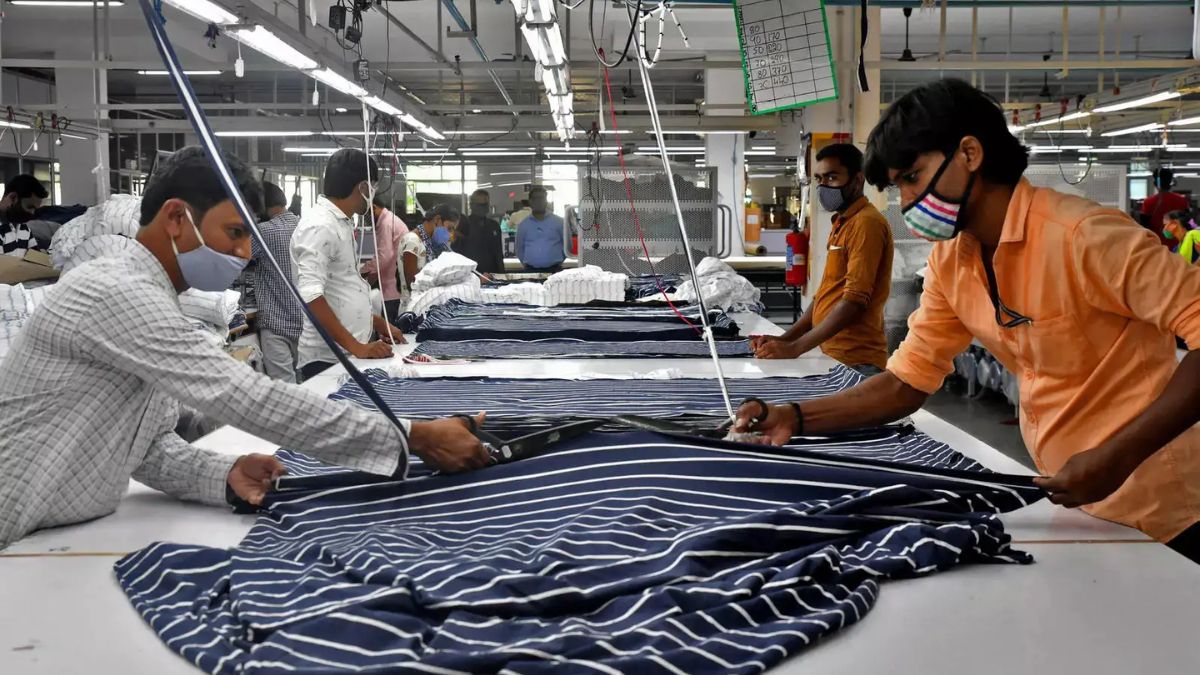
For small and medium-sized enterprises (MSMEs), which form the backbone of India’s textile sector, the situation is particularly grim. While larger companies might be able to weather the storm for a few months, the crisis could lead to widespread job losses and factory closures for smaller players. Exporters are also facing immense pressure from U.S. buyers, who are demanding 25-30% discounts, a demand that is impossible for many small businesses to meet while maintaining profitability.
In a desperate bid to beat the August 27 deadline, some exporters have resorted to costly air freight to expedite shipments, but this is a temporary and unsustainable solution given the 40-45 day transit time by sea. The industry is pinning its hopes on a swift resolution through diplomatic channels.
Exporters are anxiously awaiting a Bilateral Trade Agreement (BTA) that could provide much-needed tariff relief. However, reports suggest that a U.S. delegation’s scheduled visit to India from August 25-29 for the sixth round of BTA negotiations may be postponed.
In response to the crisis, the Indian government has temporarily suspended import duties on cotton from August 19 to September 30. This move is seen as a way to make the domestic industry more competitive by lowering input costs. The government is also reportedly exploring other incentives and support schemes for exporters, including production-linked incentives and infrastructure upgrades. Meanwhile, industry experts are advising exporters to diversify their markets by focusing on the Middle East, Europe, and other Asian countries to reduce their dependence on the U.S. market.
The textile industry’s future hangs in the balance as it navigates this severe challenge. The combined pressure of high tariffs, canceled orders, and customs-related issues has created a perfect storm that demands a comprehensive and coordinated response from the government and industry stakeholders to prevent a complete collapse of this vital sector.