





Gujarat Showcases Barda Sanctuary as New Habitat for Asiatic Lions
Gandhinagar | Gujarat — On the occasion of World Lion Day 2025, the State of Gujarat reaffirms its position as a national leader in wildlife conservation by showcasing the ongoing ecological...

Gandhinagar | Gujarat — On the occasion of World Lion Day 2025, the State of Gujarat reaffirms its position as a national leader in wildlife conservation by showcasing the ongoing ecological advancement of the Barda Wildlife Sanctuary into a robust secondary habitat for the Asiatic lion.
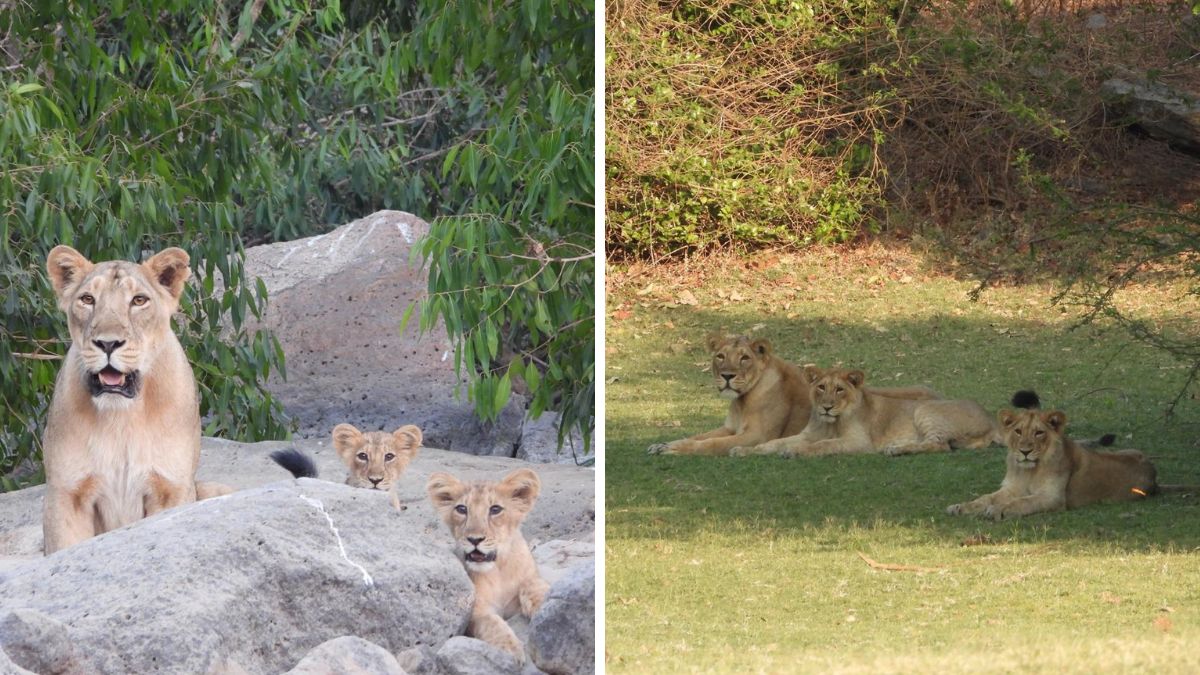
As per the 2023 wildlife census, Barda is now home to 17 Asiatic lions, including cubs, and a healthy population of 25 leopards. Comprehensive conservation measures — including grassland restoration, prey base enhancement, and technology-enabled wildlife tracking — have significantly improved the sanctuary’s carrying capacity.
The Forest and Environment Department has undertaken a science-driven and community-inclusive approach to habitat development. The strategic transformation of Barda Sanctuary is the result of focused efforts in ecological restoration, scientific habitat management, and participatory governance.
Gujarat’s sustained success in the conservation of the Asiatic lion stands as a model of balanced development.
Barda Wildlife Sanctuary: A Strategic Conservation Landscape
Located near Porbandar in coastal Saurashtra, Barda Wildlife Sanctuary has been identified as a core landscape under Project Lion for habitat diversification. Unlike many protected areas, Barda records 100% lion habitation within its boundaries, underscoring the success of habitat protection strategies. The use of advanced tools like radio-collars and real-time movement tracking has made lion monitoring more effective.
Efforts such as large-scale grassland rejuvenation and prey species augmentation have created a robust ecological base capable of supporting apex predators. The co-existence of lions and leopards within the sanctuary signals the presence of a stable and functional ecosystem, positioning Barda as a replicable model for future rewilding and conservation projects.
Visitor Facilities and Eco-Tourism Promotion
To promote eco-tourism and raise conservation awareness, the Gujarat Forest Department has operationalised guided jungle safaris in Barda Wildlife Sanctuary from October 16 to June 15 each year. The safari experience is designed to be educational and immersive, guided by trained professionals.
Safari Fee Structure (per trip, max 6 persons):
- ₹1400 – Gypsy (vehicle) charge
- ₹400 – Guide fee
- ₹400 – Government permit
- Total: ₹2200 per safari
In addition, visitor amenities such as parking areas, waiting lounges, and sanitation facilities have been developed to enhance accessibility and comfort. The sanctuary also allows year-round access to the Kileshwar Mahadev Temple, located within its limits, reflecting Gujarat’s inclusive approach to conservation that respects cultural and religious practices.
Integrating Community Participation in Conservation
The Gujarat Government has adopted a multi-sectoral, citizen-centric conservation strategy. Local communities — particularly the Maldhari pastoralist groups — are actively involved in eco-tourism management and conservation initiatives, ensuring that economic development and biodiversity protection go hand-in-hand.
This participatory governance model not only strengthens the conservation effort but also ensures that communities become stakeholders in the sanctuary’s long-term success.
Gujarat’s Expanding Lion Landscape
The 2025 Lion Census reveals that Gujarat is now home to 891 Asiatic lions, with over 50% residing outside the Gir Protected Area. This shift underscores the effectiveness of habitat expansion and decentralised conservation under Project Lion.
Barda’s development reflects India’s leadership in large carnivore conservation. Prime Minister Narendra Modi’s global initiative — the International Big Cat Alliance (IBCA) — further strengthens India’s position as a champion in global big cat protection efforts.