






Sarcoma & Bone Cancer Awareness Month 2025: Spreading Knowledge, Strengthening Hope
Since July is Sarcoma and Bone Cancer Awareness Month, Dr. Chetan Anchan, Director and Senior Musculoskeletal Surgeon, SSO Cancer Hospital, talks about the importance of early detection and early...

New Delhi [India], July 25: As July marks Sarcoma and Bone Cancer Awareness Month, Dr. Chetan Anchan—Director and Senior Musculoskeletal Surgeon at SSO Cancer Hospital—emphasizes the vital role of early detection and timely intervention in treating bone and soft tissue cancers. This year’s theme, “Raising Awareness to Create Survivors,” underscores the need for widespread awareness and equitable access to care—both critical for improving outcomes among cancer patients in India, especially those battling sarcoma and bone cancers.
Bone cancers such as osteosarcoma and Ewing sarcoma are particularly aggressive and predominantly impact children and adolescents. Dr. Anchan, one of India’s foremost experts in musculoskeletal oncology, highlights that early diagnosis not only improves survival rates but also enhances the likelihood of successful limb-salvage surgeries, enabling patients to retain optimal physical function and quality of life.
Primary Bone Cancers are uncommon but life-disrupting diseases that affect young adults and children. They belong to a group of cancers called sarcoma. Indian Council of Medical Research (ICMR) reports an incidence of 1-2 per 100,000 persons in the country.
The most common bone cancers are:
- Osteosarcoma – Most prevalent among adolescents and young adults. It primarily affects the long bones close to a major joint, the knee region being the most commonly affected site.
- Ewing Sarcoma – It is most commonly observed in children and adolescents, and most often in the pelvis, chest wall, or long bones.
- Chondrosarcoma – It is more common in older adults and middle-aged individuals. The pelvis is a well-known site for this disease. It can also affect other bones, including the long bones.
Besides bone, sarcoma can also occur in the soft tissues of the musculoskeletal system. These are called soft tissue sarcomas. There are more than 70 different types of soft tissue sarcomas. A large majority of them are found in adults. However, some types may affect children and adolescents.
The signs of bone cancer are often confused with regular orthopaedic problems, thus causing a delay in diagnosis. It is advisable to be aware of the following symptoms:
- Unexplained pain of a few weeks’ duration at any site
- Pain which is felt even at rest
- Pain which is worsening
- Often, these are ignored as growing pains in children. It is always safer to see your doctor and investigate
- Any unexplained lump or swelling, especially if it is growing
“These subtle signs may appear trivial, but can indicate an underlying tumor. Awareness at the grassroots level is vital,” adds Dr. Anchan.
Diagnosis and Treatment: Timely Action Can Save Lives
The road to diagnosis includes:
- X-rays, MRI, and CT scans to detect any abnormality
- In selected cases, a biopsy is performed to diagnose the condition (if indicated).
- Bone scan / PET-CT scan and blood work for staging and planning treatment.
Treatment plans are customized based on type, stage, and location of the tumor, and may include:
- Surgery (often limb-sparing in early cases),
- Chemotherapy for systemic disease control,
- Radiation therapy in select scenarios.
A Call for Nationwide Action
Dr. Anchan urges health authorities, clinicians, and NGOs to focus on:
- Public education campaigns for early symptom recognition.
- Accessible diagnostic services, particularly in semi-urban and rural regions.
- Oncology training for general practitioners, often the first point of contact.
- Policy-level funding for bone cancer research and infrastructure.
“Each survivor starts with awareness. Every family we educate is a life potentially saved,” says Dr. Anchan. “Bone cancer may be rare, but ignorance shouldn’t be the reason for late diagnosis or loss of life and limb.”
About Dr. Chetan Anchan
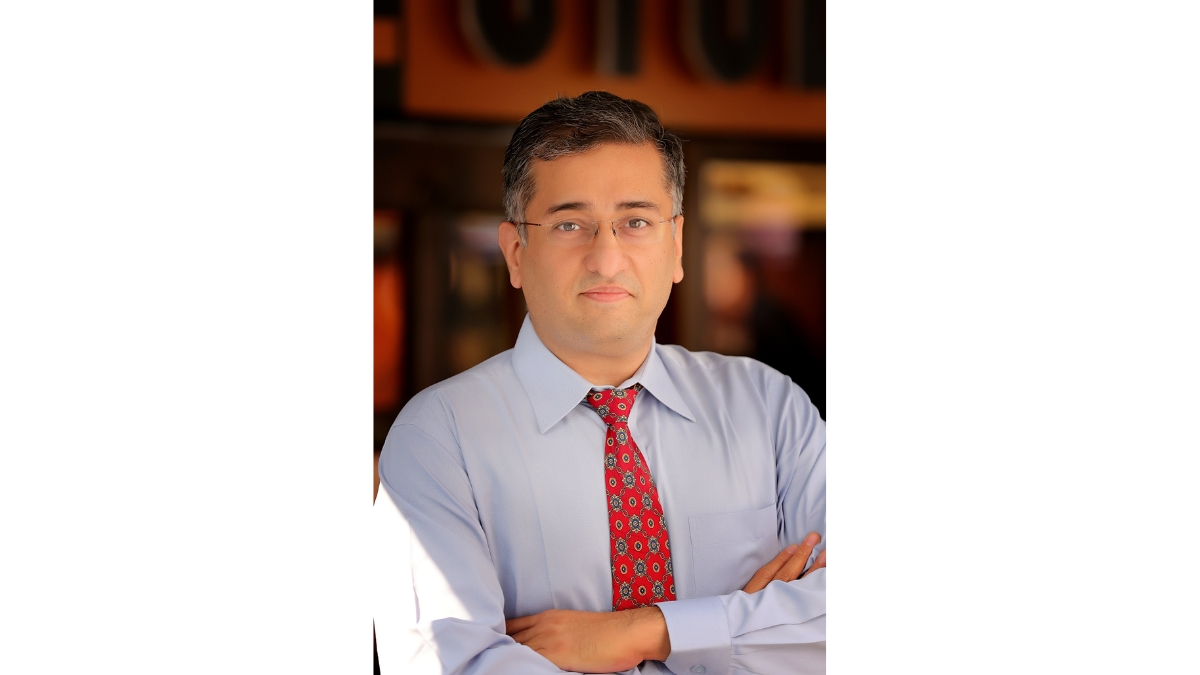
Dr. Chetan Anchan is a leading researcher in musculoskeletal oncology, now occupying the position of Director and Senior Musculoskeletal Oncosurgeon at SSO Cancer Hospital. His knowledge of complicated tumors and limb salvaging surgery is well known across the whole country and his whole career has been devoted to the improvement of care of bone cancer patients in India.