
70% Zari Trade Halts as Raw Material Prices Shake Surat Industry
Silver and copper volatility disrupts Zari production, payments and livelihoods in the textile city of Surat

Advertisement
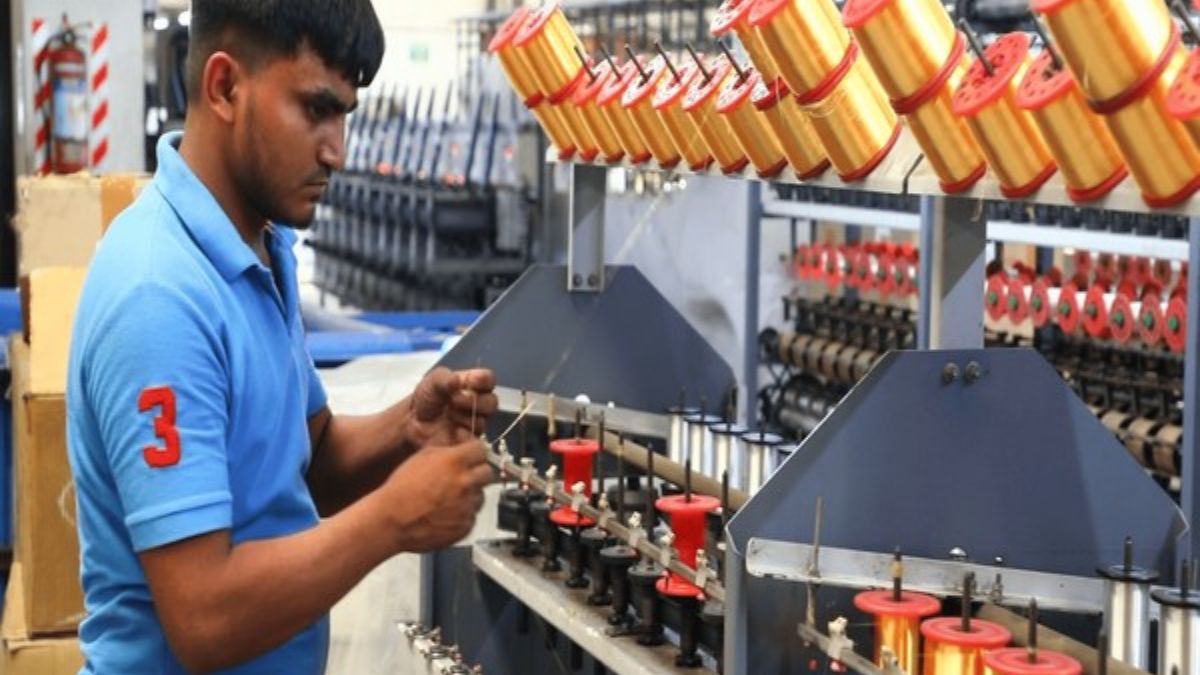
Surat | Gujarat — The very identity of Surat as India’s textile hub is under severe strain as the city’s iconic zari industry faces one of its worst crises in decades. Continuous and unpredictable fluctuations in the prices of silver and copper — the two key raw materials used in zari manufacturing — have forced nearly 70% of the trade to shut down, sending shockwaves across the entire textile ecosystem.
Industrialists warn that the disruption is not limited to production alone; it has triggered a chain reaction affecting supply, payments, jobs and the survival of thousands of small businesses.
“This is one of the most difficult phases the zari industry has ever seen,” said industrialist Shantilal Jariwala. “With daily price fluctuations in silver and copper, production costs have become impossible to predict. Taking new orders has become a huge financial risk.”
Supply chain under pressure
Surat remains the country’s largest hub for zari manufacturing, supplying nearly 80% of its production to South India, while Banaras and Delhi together account for another 20%. However, the unstable raw material prices have made it extremely difficult for traders to lock production costs or commit to bulk orders.
As a result, many small and medium traders are stepping back from new orders altogether. The industry estimates that currently only 20–25% of the trade is operational, with most units either partially shut or running at minimal capacity.
“Production and supply have both been hit. When the cost of raw materials changes every day, the risk becomes too high for traders,” Jariwala added.
Payment delays worsen the crisis
The industry is also grappling with severe payment delays from buyers in other states. Outstanding dues are piling up, disrupting cash flow and preventing fresh purchases of raw materials.
“Old payments are not coming on time. Without cash flow, new production cannot start. The entire cycle is stuck,” an industry source said.
This liquidity crunch has forced many businesses to reduce operations drastically, pushing workers and artisans — who depend entirely on zari manufacturing — into uncertainty.
Workers and MSMEs feel the heat
The shutdown has had a direct impact on thousands of workers employed in the sector. From small workshops to medium-sized manufacturing units, livelihoods across the chain are now at risk.
Industry leaders warn that if the situation continues, many small traders may be forced to permanently shut down.
“Only 30% of the trade is running right now. If confidence does not return soon, the damage could become irreversible,” said Jariwala.
Despite the crisis, Surat’s zari continues to enjoy strong demand due to its quality and national certification. However, traders say immediate policy support is essential to prevent long-term damage.
They are urging the government to stabilise raw material prices, ease the payment cycle and provide relief measures for the struggling industry.
“The zari industry represents tradition, craftsmanship and livelihoods. Without quick intervention, this heritage sector could face long-term decline,” industry leaders warned.
Advertisement
